












3-Day Summer 2026 Business Trip Capsule for Men: One Carry-On, One Client Dinner
A three-day business trip looks simple until the schedule starts moving. The dinner reservation shifts to a different neighborhood. A client adds an informal coffee before the meeting. Rain changes the walk from the station, or a late departure removes the time you expected to have at the hotel. A useful carry-on is not about getting every possible item onto a list. It is a small group of clothes that still gives you sensible choices when those details change.
The client dinner matters, but it should not swallow the whole bag. Build around the most polished known moment, then make sure the rest can handle travel, meetings, and the plans that appear after you have zipped the suitcase.
Pack for the Parts of the Trip That Can Move
Look at the itinerary and mark what is fixed versus what is merely likely. A confirmed dinner, presentation, and departure time are fixed. The lunch location, walk from transit, indoor temperature, and whether you will have a free hour before dinner may not be. That distinction keeps you from packing a separate outfit for every possible version of the trip.
Instead, choose combinations with some room around them. A trouser that works for a daytime meeting may also be useful for the journey home if it still looks right and its care directions fit the available time. A shirt that is best for the dinner can stay protected until you know the dinner plan has settled. A second shirt can cover a changed meeting without turning the bag into a stack of duplicates.
This is a tradeoff, not a formula. A highly specific piece can be worth bringing when the dinner or client meeting truly calls for it. The question is whether it earns the space once the schedule changes around it.
Put Together the Dinner Look While You Are Still Home
Wear the dinner combination in full before packing it. Include the shoes, belt if you would use one, and any layer the invitation or venue calls for. Stand, sit, and take a few steps. Check the collar, trouser line, and how the shoes change the whole outfit. It is much easier to notice a missing pairing at home than in a hotel room with ten minutes to spare.
Then pack that look together, but do not treat it as untouchable. A dinner that moves from a client restaurant to a more relaxed place may call for a different shirt finish or shoe. A reservation that becomes more formal may make you glad you kept the more polished combination intact. Keeping the pieces close together gives you options without forcing a decision too early.
Leave the dinner items accessible rather than buried under travel clothes. A late room change or an early meeting can turn unpacking into a scramble. Knowing where the shirt and shoes are is a quiet advantage.
Rewearing Works Only When the Next Moment Still Fits
Short trips invite repeat wear, but the practical question is not whether repeating is allowed. It is whether the item is in suitable condition for the next stop, whether the care directions can be followed, and whether the next setting still makes sense with that piece. Those answers may change between breakfast and dinner.
Consider the day in segments. Travel out may leave a trouser ready for an informal evening, or it may make you prefer a fresh option for the client meal. A meeting shirt may be fine for a second block on the calendar, or it may need care before you want to wear it again. The item does not have to fail for you to choose something else.
That flexibility is why a small bag works better when every piece has at least one realistic neighbor. The trousers should not depend on one shirt; the shoes should not belong to one outfit only. At the same time, avoid pretending every item works with everything. Real combinations are more useful than a theoretical capsule.
Make the Carry-On Easy to Edit
Packing by category can hide the choices you will need later. A stack of shirts in one corner and trousers in another may look organized, yet it does not tell you what you will wear when a client changes the meeting location. Put the clothes in the bag with a few complete combinations in mind, especially the dinner look and the first meeting.
Keep one shirt-and-trouser pairing that can absorb a last-minute plan change. It might be the look you wear when a casual lunch turns into a longer client conversation, or when the dinner reservation moves to a place where the original travel outfit is no longer enough. It is simply a complete look you already know works.
Shoes create the hardest tradeoff in a carry-on. Bringing another pair can make the dinner outfit feel more precise, but it costs space and changes what else fits. Let the real routes and venues decide. A long walk, a formal reservation, and a rain-prone arrival are more persuasive reasons than the urge to cover every imaginable scenario.
Check the Clothes You Would Actually Pack
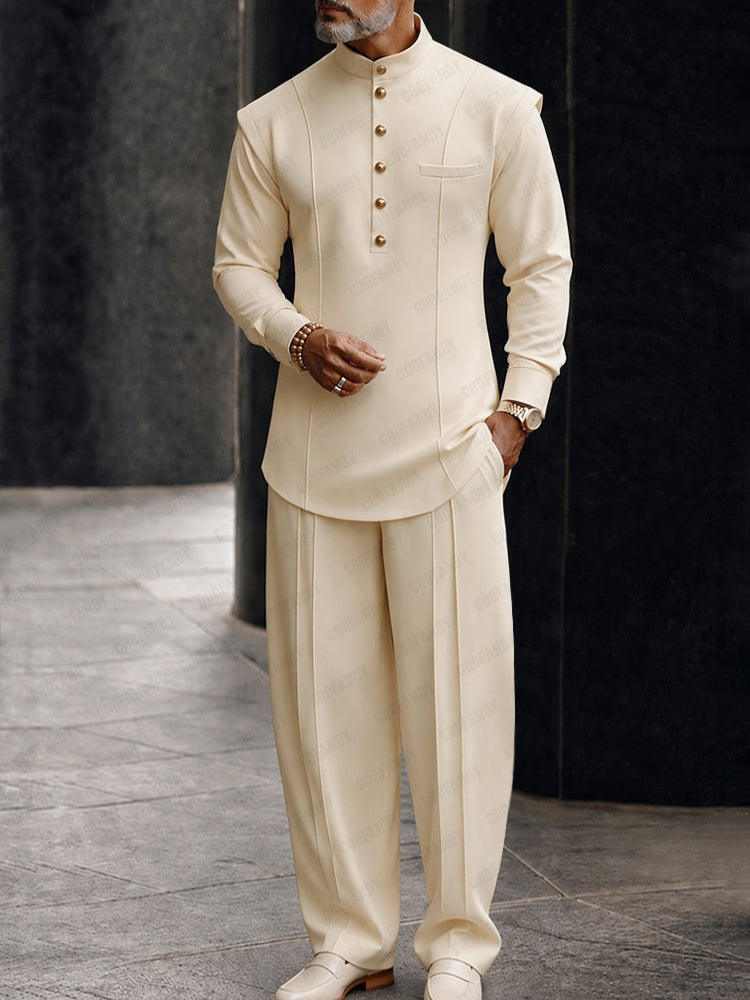
If you are considering this dress shirt for dinner or a more formal meeting, put it on with the shoes you would take and picture the actual venue. A shirt makes more sense in a carry-on when you can see exactly where it might take you.
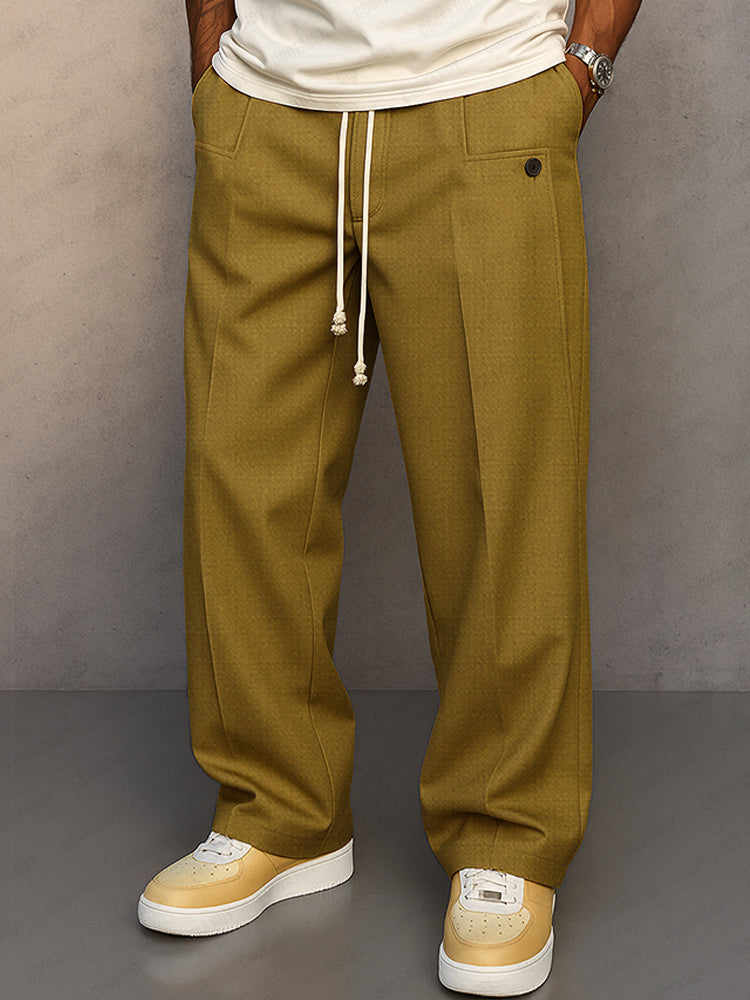
Try the Cozy Straight Leg Cotton Linen Pants with the shirts, footwear, transit segments, and care time on the itinerary. The listed size, composition, and care details are there to help before the suitcase becomes final; the trip itself tells you whether the pairing deserves the space.
When the Plan Changes After You Land
The best time to revise the plan is when you have new information, not when you are already late. Once you arrive, check the dinner location, weather, next morning's route, and whether any garment needs attention. A changed venue may mean switching the shoes. A longer walk may make the more relaxed pairing the sensible choice. A surprise meeting may be handled by moving the dinner shirt earlier and saving another option for the evening.
None of this requires carrying a spare version of every item. It requires leaving a little room in the bag and in your thinking. A three-day trip rarely goes exactly as planned, and the clothes should be able to follow the real version of it.
FAQ
How many shirts make sense for a three-day business trip?
The answer depends on the confirmed meetings, client dinner, travel schedule, and care directions for pieces you may repeat. Pack clear combinations rather than adding similar shirts without a specific reason.
Can I wear the same trousers more than once?
Possibly. Check their condition, the next venue, and the garment care directions before deciding. A repeat is a choice for that moment, not an automatic part of the trip.
What should I wear while traveling to the destination?
Choose a tidy combination that fits the route and connects logically to the first scheduled stop. Transit, destination weather, walking, and meeting timing all matter.
Do I need to pack a layer for the client dinner?
Not automatically. Let the invitation, venue, weather, and full outfit guide the decision, especially when the dinner plan could change after you arrive.

Dejar un comentario