








Halloween Outfits for Men Who Wear Glasses

Keep the everyday glasses you need and build the Halloween outfit around them. Give the costume its personality through a shirt, jacket, trousers and one deliberate detail, rather than trying to reproduce somebody else's frames. If an optional hat, wig or face piece gets in the way, change that piece.
Our favorite starting point is an original clothing-led story: an archivist cataloging impossible objects, a guest at a party that never ended, or the host of a celebration in the distant future. Below, each becomes a complete outfit, with alternatives when the first version doesn't suit you.
Keep Your Glasses, Change the Costume Plan
Start by deciding what you actually want to recreate. Is it a particular fictional person's exact appearance, or the mood of a mysterious library, a retro party or a futuristic gathering? Those are different projects. For an exact replica, you may feel that a particular frame shape is indispensable. If that would require replacing the glasses you need with unusable costume eyewear, choose a different concept instead.
For an original outfit, your glasses don't need an explanation. They can simply be yours. You don't have to turn them into a joke, assign yourself an occupation because of them, or find a famous person who wears something similar. Start with the clothes you want to wear, then give those clothes a Halloween premise.
Write that premise in one sentence: "I look after a collection of haunted objects." Next, choose the two clothing decisions that express it: a buttoned vest and dark straight-leg trousers, for example. A small handwritten catalog card can supply the strange detail. That gives you a direction without asking your frames to tell the whole story.
If an invitation requires a specific costume category, check with the host whether your interpretation meets it. Otherwise, make your choices around the story you enjoy, not a promise that everyone will identify it immediately. A brief answer when someone asks what you're wearing is part of the fun.
Let the Clothes Carry the Story
Give each part of the outfit a job. Use color to set the mood, the neckline to shape the upper half, and the relationship between jacket and trousers to establish the silhouette. Reserve a single small detail for the Halloween twist. These are styling choices, not rules about which glasses suit which face.
For the haunted archive, we'd choose ink blue, charcoal and an off-white shirt. For the retro guest, try a burgundy shirt against black trousers, with a jacket in a contrasting tone. For the futuristic host, we'd keep the shirt and trousers close in color and introduce a pale jacket. Your frames don't have to match any of those colors exactly; repeat a clothing color in a pocket detail if you want more coordination.
Decide how much you want happening near your face. An open shirt collar and simple jacket are one option; a higher neckline with no scarf is another. If you choose a large collar, leave out the neck bow and elaborate headwear at first. Add them individually later, rather than assuming all the details belong together.
Make the outfit intentional below the shoulders, too. A tucked shirt, a defined trouser shape and shoes chosen to finish the palette give you more to work with than an ordinary outfit topped with costume glasses. Before adding another prop, ask whether changing the shirt or jacket would express your idea more clearly. Buy for the missing clothing role, not for an exact match to an illustration.

Three Clothing-Led Outfits to Build Around Your Frames
The midnight archivist
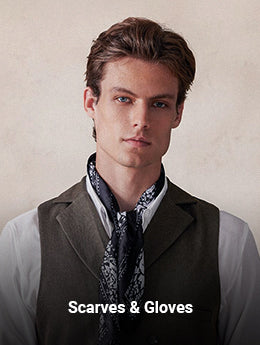
Imagine the keeper of an archive where every object has a peculiar history. Build this invented role with an off-white button-front shirt, a charcoal vest, dark straight-leg trousers and black lace-up shoes you already like wearing. Add a dark jacket for a more formal version. Keep the shirt collar turned down and start without a tie so the upper half stays relatively simple.
For the Halloween detail, make a small card reading "Archive 13: Objects Returned After Midnight" and place it in the vest pocket with the title showing. This is a fictional collection label, not a reporter's credential. Choose a folded paper inventory instead if you don't have a pocket; carry it only when you want to explain the story.
No vest? Wear a button-front cardigan over the shirt and keep the dark trousers. Prefer a less tailored shape? Choose a straight, untucked shirt beneath an open jacket, then put the archive title on the paper inventory rather than adding more neckwear. The essential choices are the restrained clothing palette and the invented catalog detail, not a precise frame shape.
This is the quietest of the three looks. It may feel too close to ordinary evening clothes if you leave out the archive detail, so decide whether you enjoy that subtlety. To make the premise stranger, change the wording to "Items That Remember Their Owners" rather than adding a hat, a magnifying glass and several competing props. Let one odd sentence do the work.
The guest from the never-ending party
For a more colorful option, invent a guest whose invitation says the party began decades ago and never finished. Try a burgundy open-collar shirt, black trousers with a straight or wider leg, a contrasting jacket and dark loafers or other shoes from your wardrobe. We'd choose a light gray jacket for contrast, but a dark jacket with a bright pocket square is another interpretation.
Carry a small invitation headed "One More Song" with an impossible date written underneath. Treat the clothes as your own imagined retro party look, not a historically exact outfit. You don't need period-matching frames, a wig or a particular celebrity reference to follow this version.
Choose where the color belongs before you shop. If you want a more expressive shirt or jacket, browse our Men's Party Outfits with that single role in mind. Compare a possible addition against the trousers and shoes you intend to wear, rather than replacing the entire outfit. The goal here is your color combination, not assembling a replica from matching pieces.
If an open collar isn't your preference, button the shirt higher and move the accent to the pocket square. If the jacket feels like too much, omit it and choose a shirt color that you want to feature on its own. Avoid piling a broad collar, neck scarf and costume wig into the same version from the outset.
The limitation is that the clothing alone may look like partywear rather than Halloween dress. Keep the strange invitation if you want the fictional premise to be explicit. More accessories aren't automatically a better answer; a clear invitation title is a more focused choice than unrelated spooky additions.
The host of tomorrow's masquerade
Create your own futuristic host with a high-neck top, straight dark trousers, a pale open jacket and simple dark shoes. Keep the jacket unfastened to show the neckline, and put a folded card marked "Welcome, Year 3026" in a pocket. Despite the imaginary masquerade setting, this version doesn't require a mask. We prefer the contrast between ordinary glasses and an invented future occasion.
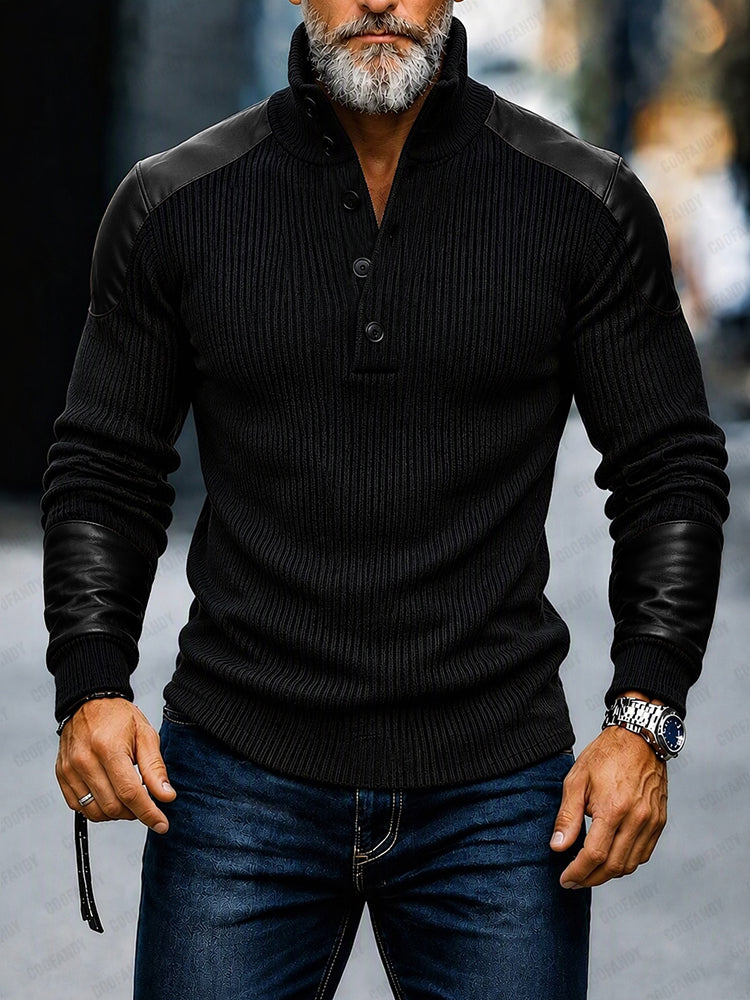
Our Modern Stretch Crossover Mock Neck Top has long sleeves, a pullover construction and a crossover mock neck. We'd use that neckline as the clothing detail in this concept, rather than adding a separate costume collar. Try the actual top with your own glasses and intended layers; its construction is not a guarantee of eyewear compatibility, universal fit or warmth.
If you don't enjoy wearing a high neckline, choose a plain crew-neck top and make the pale jacket the main feature instead. If you prefer no jacket, use a contrasting belt you already own as the visual break between top and trousers, keeping the invitation card as a handheld detail. Neither version needs metallic makeup or anything attached to your glasses.
Keep the invented event distinct from a uniform: skip imitation rank insignia and recognizable franchise symbols. You're designing a party host, not trying to reproduce an existing character. The trade-off is that a minimal version can feel understated. Make the year visible on the card or choose a stronger jacket contrast before reaching for a visor or oversized headpiece.

Resolve One Accessory Conflict at a Time
Once the clothes are chosen, add optional accessories individually. That way, if something disrupts your normal glasses use, you know which addition to remove. Work on the costume accessory, not the fit or shape of your frames.
Hat or headband: Put on the optional piece with your usual glasses and notice whether it pushes against them or makes you keep repositioning them. If it does, leave that piece out. For the archivist, move the title from a proposed hat label to the vest pocket. For the retro guest, use the bright pocket square instead of a decorative headband. You keep a deliberate detail without needing headwear.
Wig: If the costume wig crowds the space around your frames, try the outfit without it rather than changing your glasses to accommodate it. Give the retro guest more personality through shirt color and the invitation wording. For the futuristic host, repeat the jacket color in the pocket card. Those alternatives develop the clothing story instead of depending on a new hairstyle.
Mask, visor or decorative face piece: If it doesn't work with your glasses, remove it and use a clothing-led version of the concept. Don't fasten costume pieces to lenses or modify your everyday eyewear. A masquerade invitation in a jacket pocket can establish the imagined event without a face covering. Where a mask is an essential costume requirement, ask the host about an alternative or choose another concept; this outfit suggestion isn't a safety guarantee.
Collar, scarf or hood: Check these with the jacket or coat you will actually add. If a raised collar, thick scarf or hood crowds your glasses when you turn, replace or omit the optional clothing piece. Try the archivist with the shirt collar down and no scarf, or the futuristic host's crew-neck alternative without an added costume collar. Don't keep a troublesome detail just because it looked good while you stood still.
Try the Sequence, Not Just the Mirror Pose
Run through getting dressed in the order you would use on the day, following your normal glasses routine. Put on the chosen top, add the vest or jacket, and then introduce the single costume detail. With a pullover or high neckline, include getting changed again in the try-on rather than judging only the finished appearance. If that garment makes your normal routine awkward, choose the button-front or lower-neckline alternative.
Next, add your actual outer coat. Turn your head as you would during a conversation, sit in a chair, stand again and reach for the pocket holding your invitation or archive card. You're checking this particular combination, not proving that every version of the outfit will work. Pay attention to the moment when an optional piece becomes inconvenient.
Suppose the archivist looks right in the mirror, but the extra scarf crowds your glasses after you put on the coat. Take out the scarf and repeat that part of the sequence. Keep the vest and catalog card. If the retro guest's invitation is awkward to carry all evening, fold it into the jacket pocket with only the title visible. Make the correction specific to what happened.
Finish with the version you would actually choose to wear, not the one with the longest accessory list. Your everyday glasses can stay part of your appearance while the clothes and one imaginative detail give Halloween its story.

Frequently Asked Questions
Do my glasses have to match the character's frames?
No. Keep the everyday glasses you need. For an adapted or original outfit, use clothing and a story detail instead of matching the frames. If exact replica eyewear is essential to the character you want to copy but isn't usable for you, choose another concept.
What if a Halloween hat or mask does not work with my glasses?
Remove or replace the optional hat or mask, not your needed glasses. Move the costume detail to a jacket pocket, invitation or clothing color. Don't modify your frames or attach costume pieces to the lenses. If the event requires that accessory, ask the host about an alternative.
Can I wear a Halloween-themed outfit instead of copying a character?
Yes, you can build an original themed look, such as a midnight archivist or futuristic party host. Whether it meets a particular event's costume requirement is up to the host, so check the invitation or ask when the requirement is specific.
About COOFANDY
Founded in 2015, COOFANDY is a menswear brand created for modern men navigating work, weekends, celebrations, and everyday life. Its collection includes shirts, suits, pants, sweaters, and tees designed to help men build versatile, confident looks for different moments and personal styles. Guided by the belief that clothing can reflect confidence and character, COOFANDY focuses on making approachable menswear part of every stage of life.
COOFANDY in the Press
- Is COOFANDY Worth It? The $20 Shirt Test vs. Ralph Lauren, Express and 8 More Menswear Brands
- Best Picks: COOFANDY Shirts & Suits for Commuting, Vacation, and Wedding Season
- From Amazon Basics to 70M+ Customers: The COOFANDY Story Adds a New Chapter with Walmart Distribution



Dejar un comentario