








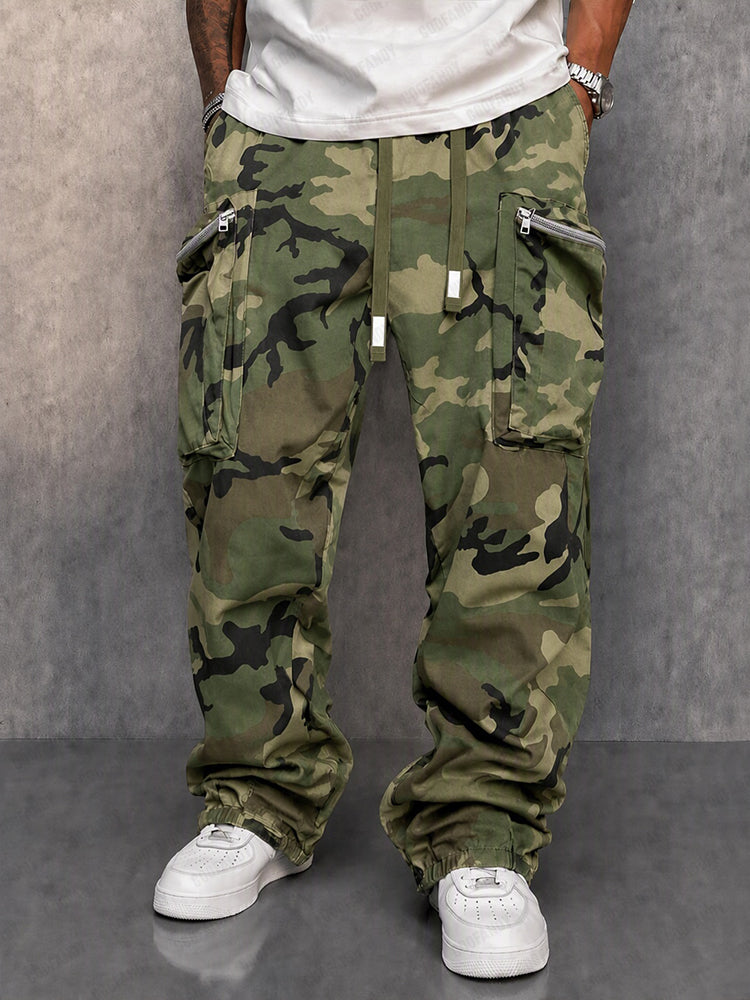
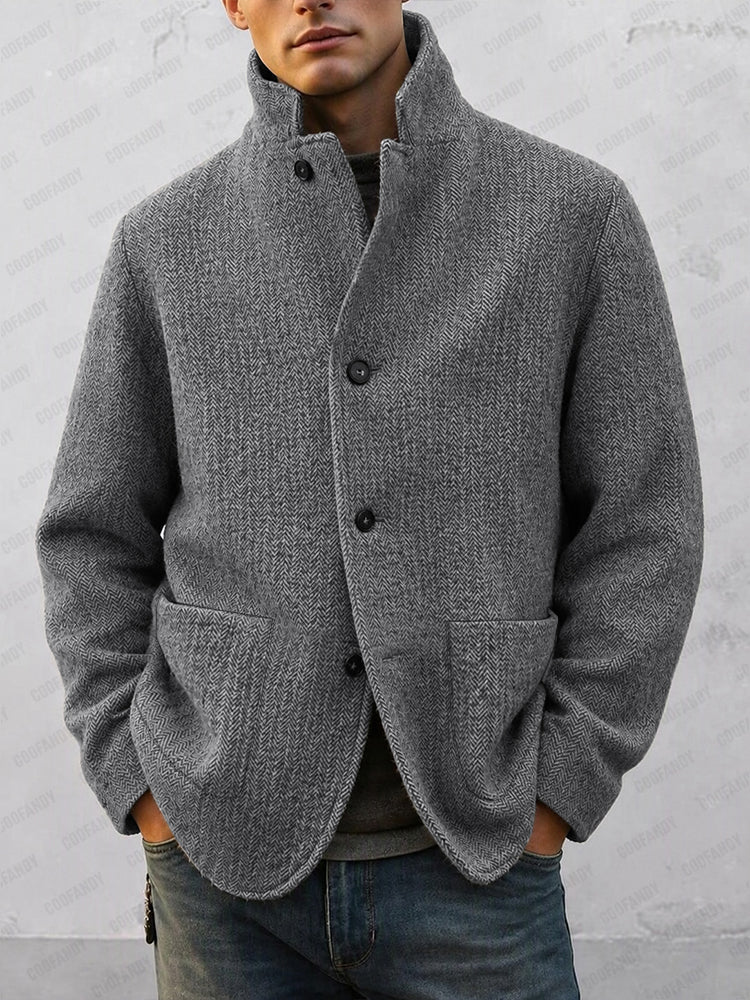
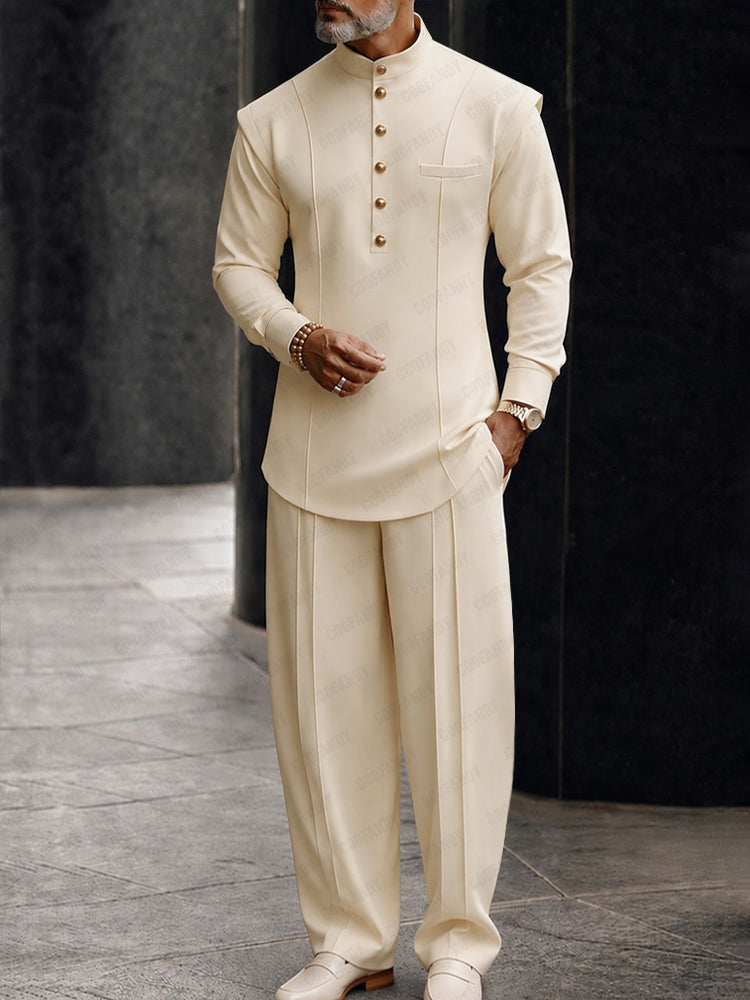
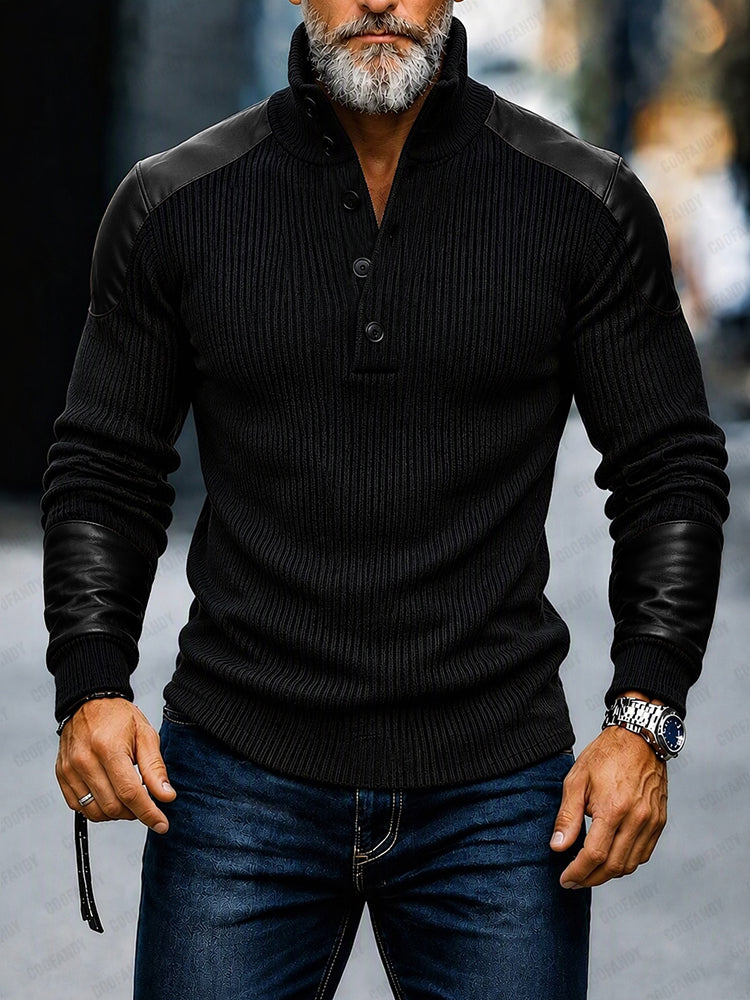
Mens Clothing Gift Guide by Relationship and Occasion

The relationship tells you which questions to ask; it does not tell you what the recipient will wear. A partner, father, brother or friend may each call for a different conversation, but the gift still has to pass the same practical checks: name the occasion, find the garment's role, gather reliable size evidence, compare the current product page with the recipient's wardrobe and stop when an important answer is missing.
Start with the person and the setting, then choose the category. A shirt can be right for one dinner and wrong for another. A blazer can be useful for a recurring event or become an expensive guess when the recipient never wears that kind of layer. The goal is not to find a universal men's clothing gift. It is to make a choice that has a believable place in this person's actual week.
Start With the Relationship as a Context, Not a Shortcut
Use the relationship to decide how to gather information, not to fill in information you do not have. A close relationship may make it easier to look at a favorite shirt, ask about a size or notice which colors return to the wardrobe. A newer friendship may make a direct sizing question feel awkward, so you may need to work from a clearly observed garment and a modest gift role. Neither context removes the need to verify.
Write down three things before opening a product page:
- What occasion is the gift for, if there is one?
- What does the recipient already wear for that occasion?
- What size or garment reference can you check without guessing?
The answer can be short. “A dinner he attends every month, usually an open-collar shirt with dark trousers, and a shirt in his closet that he reaches for often” is more useful than “He likes nice clothes.” The first description gives you a setting, a visible wardrobe pattern and a possible size reference. The second only gives you a hope.
Relationship labels also need a privacy check. Do not inspect a closet, photograph a label or ask for measurements in a way that spoils the gift or makes the recipient uncomfortable. Choose the least intrusive reliable evidence. If the only available information is a vague memory of a letter size, mark fit as unresolved and keep the decision open.
Match the Occasion Before You Choose the Garment
An occasion gives the gift a job. Start by describing the room, activity and expected level of dress in ordinary language: a family dinner, a restaurant reservation, a work-adjacent celebration, a weekend gathering or a trip with several different settings. Then look at what the recipient already wears in that kind of situation.
Use this quick route:
| Occasion evidence | Garment question | What to verify next |
|---|---|---|
| A relaxed dinner or weekend gathering | Would a shirt add a useful option to his existing rotation? | Collar, sleeve, hem, color partners and size reference |
| A dinner with a clearer dress expectation | Does the outfit need a more structured layer? | The invitation, the recipient's existing jacket use and the current product details |
| A family or milestone event | Can the gift work with clothes he already trusts? | Two complete combinations and the actual size evidence |
| A trip with more than one stop | Will the garment have at least two realistic uses? | Care instructions, color partners and the settings on the itinerary |
| No specific occasion | Is there a repeatable wardrobe role rather than a novelty impulse? | The recipient's most-worn silhouettes and a reliable purchase path |
The garment category comes after this check. If the event does not require a particular category, let the recipient's wardrobe do more of the work. If the event does have a clear expectation, do not let the relationship label override it. A gift for a father is not automatically casual; a gift for a partner is not automatically expressive; a gift for a friend is not automatically low-risk.
Before you order, name two situations where the item could be worn and list the trousers, shoes or layers that would support each one. “He could wear it sometime” is not a second use. A credible second use is specific enough to picture in the recipient's week.

Partner or Spouse: Check the Real Wardrobe Role
A partner or spouse may give you more access to the recipient's wardrobe, but closeness can create a different risk: assuming that you know what he wants because you know him well. Treat the gift as an observation exercise. Look for repeated choices, not one unusual outfit worn once.
Ask yourself:
- Which shirt or jacket does he wear when he wants to feel put together without making a production of it?
- Does he repeat a collar, sleeve length, color family or level of structure?
- Is the gift for a known event, or are you hoping the item will create a new habit?
- Can you check a garment he currently wears and likes, including its size label and measurements?
If the gift is for a specific dinner or celebration, begin with the recipient's existing version of that setting. A product can be attractive in isolation and still create a styling problem if it has no partner in the closet. Check the complete outfit in your mind: the shirt or blazer, the trousers, the shoes and the layer he would actually choose.
This is also the place to decide whether surprise is worth the unresolved risk. If you know the occasion but not the size, ask a discreet question or use a reference garment. If you know the size but not the intended role, observe another outfit before choosing. A close relationship gives you better ways to learn; it does not justify skipping the learning step.
When you have only one strong signal, keep the gift modest in its claim. A familiar color with a new collar may be easier to place than a completely new silhouette. That is a conditional wardrobe decision, not a rule about every partner or spouse.
Father: Prioritize Familiar Use and Easy Care
For a father, the most helpful question is often practical: where would this enter the routine he already follows? Start with the clothes he wears for regular dinners, family events, travel or weekends. Notice whether he repeats a small set of colors and shapes, whether he prefers a tucked or untucked finish and whether he follows garment care labels.
Routine can make the gift easier to evaluate. If he wears a similar shirt twice a month, a new option may have a clear role. If he avoids jackets except for one annual event, a blazer may need a specific occasion before it earns a place in the decision. The relationship itself does not tell you which category is right; the observed routine and the event do.
Care belongs in the same conversation. Read the current product page's care instruction and compare it with the recipient's actual habits. Do not replace the listed instruction with a promise about convenience. If the care routine is incompatible, pause or choose a different direction. A gift that looks right on the day it arrives still has to fit the recipient's willingness to maintain it.
Use the two-use test here with extra discipline. Name the first use the gift was intended for, then a second ordinary use that does not depend on a special event. List at least one existing trouser or shoe combination for each. If you can name only a holiday or milestone use, the item may be more occasional than the recipient's wardrobe supports.

Brother or Friend: Follow Signals, Not Stereotypes
With a brother or friend, you may have plenty of style clues but less access to exact measurements. Use what you have seen him choose repeatedly: a short sleeve or long sleeve, open collar or closed collar, quiet solids or visible details, relaxed layers or more structured pieces. Then separate a real pattern from a single outfit he wore for someone else's event.
Conversation can be light and still useful. Ask what he has been wearing lately, what kind of event he has coming up or which color he keeps buying. You do not need to announce that the answer will determine the gift. If a direct size question would be obvious, compare a current garment he willingly shows you with the product's current size guide instead of converting a letter size from memory.
The occasion matters even more when the relationship is less formalized. A friend who dresses casually every day may still need a more structured layer for a wedding-adjacent dinner; a brother who likes bold pieces may still prefer a quiet shirt for work. Let the event and the existing wardrobe meet in the middle.
Avoid turning a hobby, age, job or family role into a clothing prescription. Those details may help you ask a better question, but they do not prove a color, fit, fabric outcome or garment category. If you cannot connect the gift to two realistic uses, ask for another signal before buying.
Use Product Pages as Fact Sheets
Once the relationship and occasion have narrowed the decision, inspect each product page in the same order. Record the product identity, visible design details, listed color options, listed composition and listed care instruction. Keep those page fields separate from assumptions about fit, comfort, performance, formalness or universal occasion suitability.
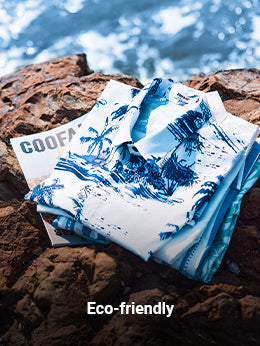
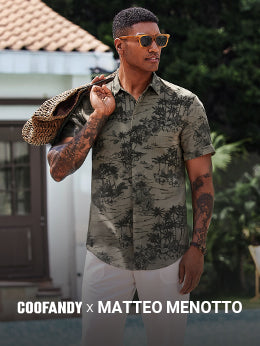
For example, the current page for the Vacation Casual Hidden Placket Linen Blend Shirt lists a Cuban collar, hidden button placket with bartack stitching, short sleeves, side slits, back pleats and a straight hem. It lists Olive Green and Black options, a 55% linen/45% cotton composition and machine wash cold with like colors. These details help you ask whether the visible design and care instruction match the recipient's wardrobe and routine. They do not prove that the shirt will fit, feel comfortable, perform a certain way or suit every dinner setting.
For a more structured option, the current page for the Tailored Fully-Lined Peak-Lapel Wool Blend Blazer lists an extended peak lapel, structured waist, crisp shoulder line, a single welt chest pocket, two flapped pockets and fully lined construction. It lists Black and Gray options, a composition of 37% wool, 36% polyester, 25% viscose and 2% spandex, and professional dry clean only. Those are useful fields to compare with the event, the recipient's existing jackets and his care routine. They do not by themselves establish formalness, fit, warmth, comfort, stretch, availability or gift suitability.
If you want a broader method for inspecting a shirt page, read How to Judge a Premium Men's Shirt Online. For a focused shoulder check when a casual blazer is under consideration, read How Should a Casual Blazer Fit Through the Shoulders. Those references support the inspection step; they do not replace the recipient and occasion checks in this guide.
Keep a two-column note while comparing products:
| Recipient and occasion evidence | Current product-page field |
|---|---|
| What he already wears for the setting | Visible collar, lapel, sleeve, closure, pocket or hem details |
| A shirt or jacket reference he actually uses | Current size guide and selector information |
| Existing colors and supporting trousers or shoes | Listed color options and current product images |
| His willingness to follow care labels | Listed composition and care instruction |
| Two realistic uses for the gift | Current store information to recheck before purchase |
This separation keeps a product title from making decisions that belong to the recipient. It also makes two products easier to compare without turning the article into a universal ranking.
Build a Relationship-and-Occasion Gift Decision
Use the following matrix as a starting point, then replace the context with what you actually know about the recipient:
| Relationship context | Occasion question | Evidence to gather | Next action |
|---|---|---|---|
| Partner or spouse | What does he already wear for the event? | Favorite garment, size reference, repeated colors and complete outfit partners | Compare a familiar wardrobe role before considering a new silhouette |
| Father | Where would this fit into his ordinary routine? | Regular-use garment, care habits, two non-special-event combinations | Favor a clearly defined role and pause if care or size is unresolved |
| Brother | Is the gift for his style or for a specific setting? | Recent repeated choices, event details and a discreet size signal | Let the event decide the needed level of structure |
| Friend | What has he chosen himself, rather than what do I assume? | Observed silhouettes, colors, size reference and two uses | Ask one useful question when the evidence is too thin |
The matrix is not a ranking. It tells you what to investigate next. A partner route may still end with a simple shirt. A father route may still end with a blazer for a known event. A friend route may be the strongest route when the friend has clearly mentioned an upcoming occasion. Context changes the questions; it does not choose the item for you.
After selecting a possible garment, run four gates in order:
- Occasion gate: Can you describe the setting and the garment's job in it?
- Wardrobe gate: Can you name two complete combinations using clothes the recipient already owns?
- Evidence gate: Do you have a reliable size reference and the current product-page fields?
- Risk gate: Have you rechecked the current store information and decided what you will do if a key answer remains unresolved?
Pass all four before you let color or product excitement make the final decision. If a gate fails, the right next step may be a question, a different garment role or waiting.
When to Ask Instead of Guessing
Ask when the relationship gives you access to a useful conversation and the answer would change the choice. A question about the next event, a favorite shirt or a recent size can protect the gift from becoming a projection. Keep it narrow: one question that resolves one decision is better than a long survey about personal style.
Pause when the only size evidence is an old label, when the product's current size guide does not resolve the comparison, or when two sources of size information conflict. Pause when the gift has no second use, when the event's dress expectation is unclear or when the product's care instruction would not fit the recipient's routine.
At the point of purchase, recheck the current product page, size guide, color selector, care instruction and current store terms. Price, stock, delivery and return or exchange conditions are transaction-specific and can change. This guide does not establish any of them. Keep the decision tied to the exact product and current information you are viewing.
If the unresolved answer is central to the gift, waiting is a complete decision. A clear pause protects the recipient's time and keeps the relationship from carrying more certainty than the evidence supports.

The Relationship Gift Checklist
Before ordering, confirm:
- You can describe the occasion or the ordinary wardrobe role.
- You used the relationship to ask better questions, not to assign a stereotype.
- You have a reliable size reference or a clear plan to obtain one.
- You can name two complete uses with supporting clothes the recipient already owns.
- You checked the product's current identity, visible details, colors, composition and care instruction.
- You rechecked the current store information that can affect the purchase.
- You know which unresolved answer would make you pause.
When those checks are clear, explore the COOFANDY Signature page and the COOFANDY Signature collection with a specific recipient and occasion in mind. The collection can show possibilities; the recipient's wardrobe and the current product page still make the decision.
FAQ
How should I choose a clothing gift for my partner or spouse?
Start with a real occasion or a repeated wardrobe role, then check a garment he already wears, a reliable size reference and two complete outfit combinations. Closeness may make those observations easier, but it does not prove his current size or taste. Ask a discreet question when one missing answer would change the choice.
What clothing gift works for a father who has a set routine?
Look for a clearly defined place in his existing routine: a regular dinner, family event, travel day or weekend use. Compare the current product's visible details and care instruction with clothes and habits he already has. If you can name only one special-event use, keep researching rather than assuming the item will become part of his routine.
Should the occasion decide between a shirt and a blazer?
The occasion should help define the garment's role, but it should not decide alone. Check the event's dress expectation, what the recipient already wears there, his size evidence and the supporting clothes he owns. A shirt or blazer becomes a responsible choice only when the event and the wardrobe point in the same direction.
What if I do not know the recipient's size?
Look for a shirt or jacket he currently wears and compare its measurements with the current product size guide, or ask one discreet sizing question. If the reference is old, conflicting or unavailable, pause and review the current store terms before buying. Do not treat a familiar letter size as proof that the new garment will fit.



Dejar un comentario