











Men's Summer 2026 Outfits for a Week Without a Car: Walking, Office AC and Dinner
Without a car, an outfit does not get a quiet reset in a back seat or a quick stop at home. It leaves with you in the morning, goes through the walk to transit, spends time under office air conditioning, and may still need to make sense at dinner. That makes a car-free summer week less about packing seven separate looks and more about choosing combinations that can move through a real day without becoming a burden.
The route deserves as much attention as the calendar. A polished shirt is only one part of a meeting-day outfit when the station is a ten-minute walk away and the restaurant is three blocks from the office. Build around the places you will actually go, then make each change of setting feel intentional.
The Walk to Transit Is Part of the Outfit
Look at the longest stretch of the week first. Is it a short walk from a parking garage, a series of train platforms, or several outdoor blocks between appointments? Shoes need to make sense for that distance and for the most formal place on the same day's schedule. It is easier to choose a shoe when you name both jobs than when you call it simply "comfortable" or "dressy."
Keep the bag honest, too. A tote or backpack may be carrying a laptop, water, charger, and a light layer. Add too many extras and the whole day starts to feel overplanned. The pieces you bring should have a clear moment ahead: a layer for the office, a shirt refresh before dinner, or an item that changes the dress level of the base outfit.
Try one full route before the week begins. Wear the shoes, carry the bag at a realistic weight, and look at how the trousers sit after a normal walk. It is a small test, but it can expose the awkward pairing that a mirror alone did not catch.
Office Air Conditioning Changes the Middle of the Day
The outdoor temperature does not settle the question once you are inside. A cold conference room or an office with strong air conditioning can make the middle of the day feel separate from the commute that came before it. That is where a light layer earns its place, provided it works with more than one outfit and does not become something you resent carrying after lunch.
Choose the base outfit first. A collared shirt and trousers may cover a meeting and still feel right for a casual dinner with a changed shoe or a neater shirt finish. On another day, an easier shirt may be enough, especially when the visible stop is more social than formal. The layer should support those choices, not dictate them.
There is no need to carry a layer just because the forecast says summer or because offices are often cold. Check the buildings on your route, the length of indoor meetings, and whether you have a place to stow it. Some days will justify it. Others will not.
Dress for the Evening You Might Actually Have
The dinner plan often changes late. A colleague may suggest a place farther away, an outdoor table may become the only option, or a client may join a casual meal that had seemed informal at noon. Build one base look that can take a small adjustment instead of carrying a full second outfit everywhere.
That adjustment might be as simple as changing the shoes, buttoning the shirt differently, or taking a minute to check the collar and trouser hem before you go in. The point is not to make a morning outfit impersonate formalwear. It is to avoid arriving at dinner looking as though you forgot the rest of the day existed.
Give yourself a pause between locations. Find a restroom or quiet corner, smooth the shirt, empty the pockets that pull at the trouser line, and look at the outfit from head to toe. Small details register more after a day of walking and sitting. A deliberate two-minute reset is often enough.
A Week Has Repeats, Not Uniforms
Build a rotation with overlap. Two trousers should each work with more than one shirt, while each shirt should have a clear reason to be in the week. That does not mean every piece must work with every other piece. A little limitation is useful; it stops the bag from filling with "maybe" items.
Lay the combinations out at home and name the context for each one: transit and office, office and dinner, neighborhood lunch, or a weekend plan with more walking. Then check what happens on day three or four, when a shirt is no longer fresh from the hanger and the schedule has shifted. Read the care directions for any item you expect to repeat, and do not make a repeat plan that depends on time you will not have.
| Day shape | Useful outfit question | Detail worth checking |
|---|---|---|
| Long commute plus meeting | Can the shoes cover both the route and the room? | Bag weight and walking distance |
| Office plus dinner | What can change after work without a full outfit swap? | Collar, hem, shoes, and pockets |
| Mostly indoor day | Is a light layer genuinely needed? | Meeting length and somewhere to carry it |
| Open weekend plan | Does the look still make sense if the destination moves? | Terrain, timing, and the group plan |
Put the Outfit Together Before Monday
If the Casual Cotton Linen Shirt is on your shortlist, try it with the trousers and shoes you already plan to wear for one office-to-dinner day. The result will tell you more than an all-purpose description ever could.
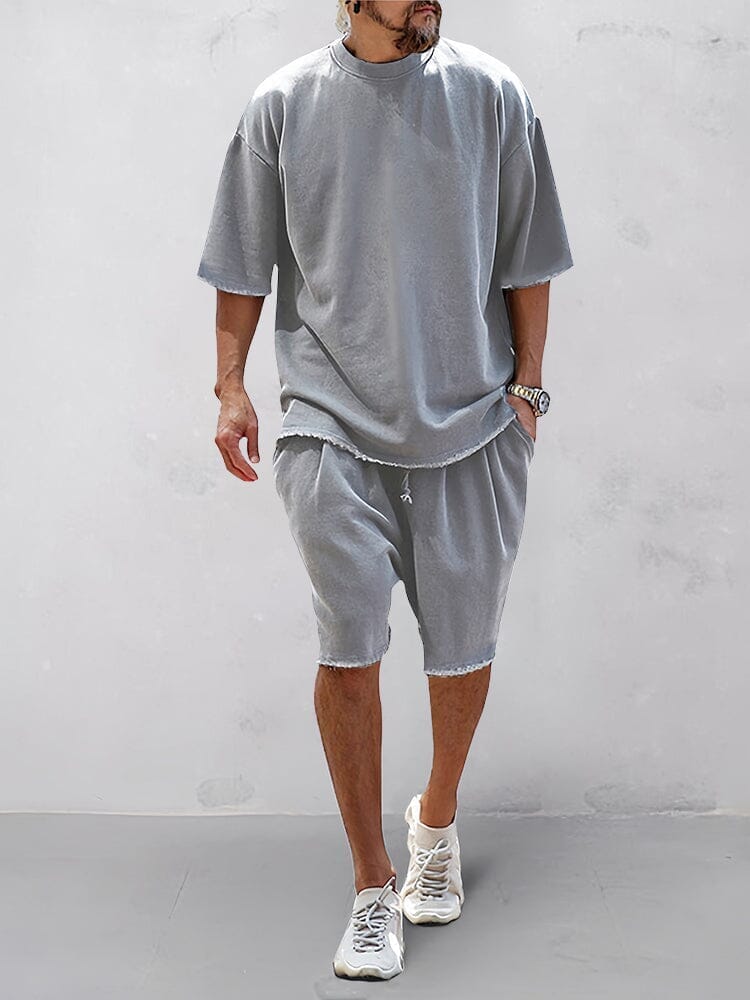
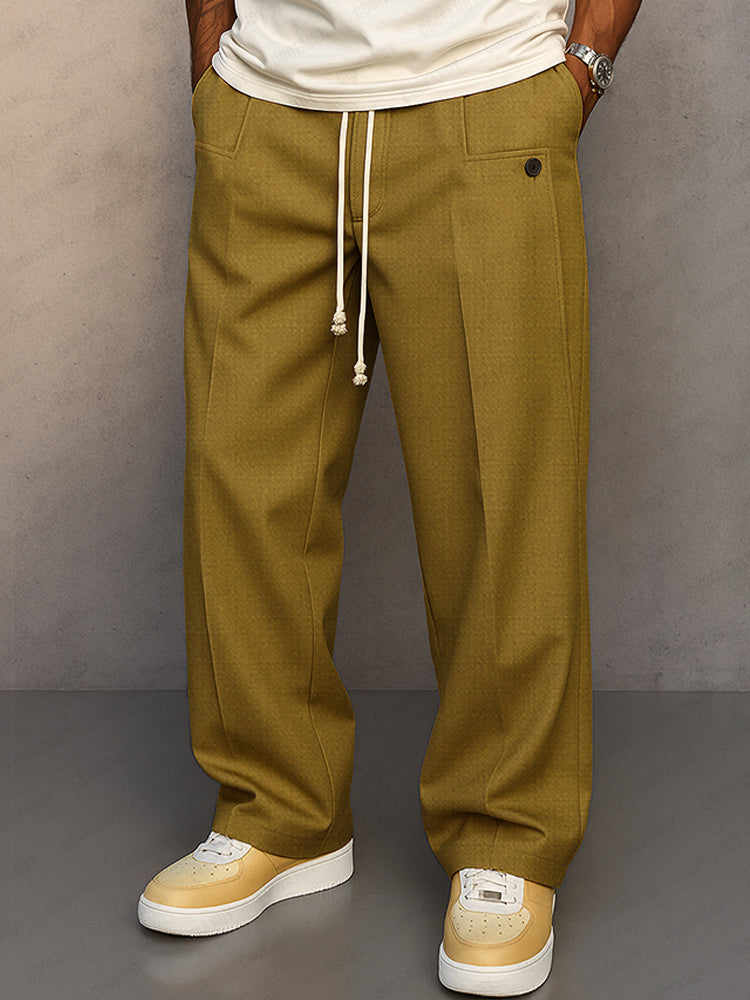
Give the Comfy Urban Style Drawstring Pants a different test: wear them with the bag and shoes you would take on the longest route of the week. Then decide whether you would still want that pairing when the destination changes from a platform to a restaurant. That is the useful question.
Keep One Combination in Reserve
Have one known outfit that works with the shoes and bag you are already using. It is not a backup wardrobe. It is a proven answer for the morning when the transit schedule changes, the first shirt needs attention, or dinner appears on the calendar with little notice.
That reserve combination can be simple, but it should be complete. Test it at home, including the layer if you expect to bring one. Knowing it is ready takes pressure off the rest of the week and makes it easier to leave the house without overpacking.
By Friday, the best car-free wardrobe is rarely the one with the most options. It is the one that has kept pace with the walk, the train, the cold meeting room, and the unplanned restaurant without asking you to carry half your closet. Let the day change the outfit in small, practical ways, and keep the whole rotation connected to where you are going next.
The useful habit is to check tomorrow at the end of today: route, most visible appointment, and one possible shift in plans. Put the shoes, trousers, shirt, and any layer together in that order. Then leave room for the day to become something slightly different. It usually does.
FAQ
What should I wear when the train ride comes before a client dinner?
Start with the dinner's expected dress level, then choose shoes that also suit the walk to and from the stations. Keep the base outfit tidy enough for the reservation, and use the time between the office and dinner to straighten the collar, empty bulky pockets, and check the trouser hem rather than carrying a separate evening look.
Is it worth carrying a spare shirt during a car-free workday?
Only when the day's schedule gives it a real job. A spare can make sense before an important evening meeting or after a long outdoor route, but it also takes space in the bag. Pack one when you know where and when you can change; otherwise, choose the morning shirt with the entire day in mind.
How can I handle an office that is much colder than the street?
Bring a layer only when you expect a long indoor stretch and have a sensible place to keep it later. Try it over the shirt-and-trouser combination before the week starts. A layer that interrupts the outfit or crowds the bag is less useful than adjusting the day's plan around the rooms you will actually be in.
What is the simplest way to prepare for a dinner plan that changes at the last minute?
Set out one complete combination that can travel from your most formal daytime stop to an unplanned restaurant. Include the shoes and bag, not just the shirt and trousers. When the destination shifts, a short reset before you go in will usually make a bigger difference than adding another item to carry all day.

Dejar un comentario