










Best Fall Layers for Warm Climates
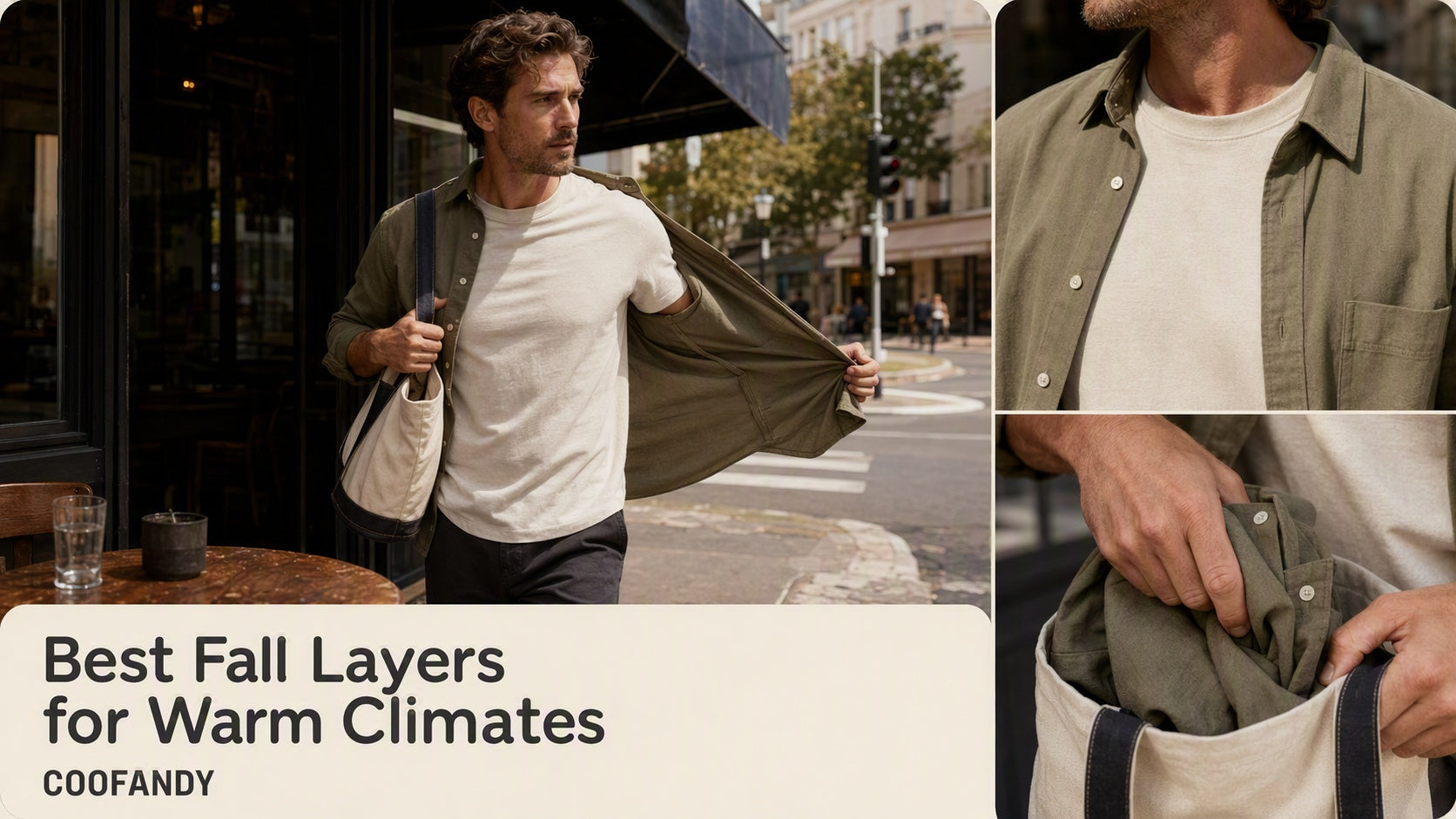
Warm-climate fall dressing is about showing seasonal intention without trapping heat. Use a breathable base, add one removable layer, and adjust the opening, sleeve, and carry plan as humidity, sun, and evening temperatures change. The calendar may say fall, but the day’s exposure should decide whether you need a shirt layer, a second sleeve, or no outer layer at all.
What Makes a Warm-Weather Fall Outfit Work

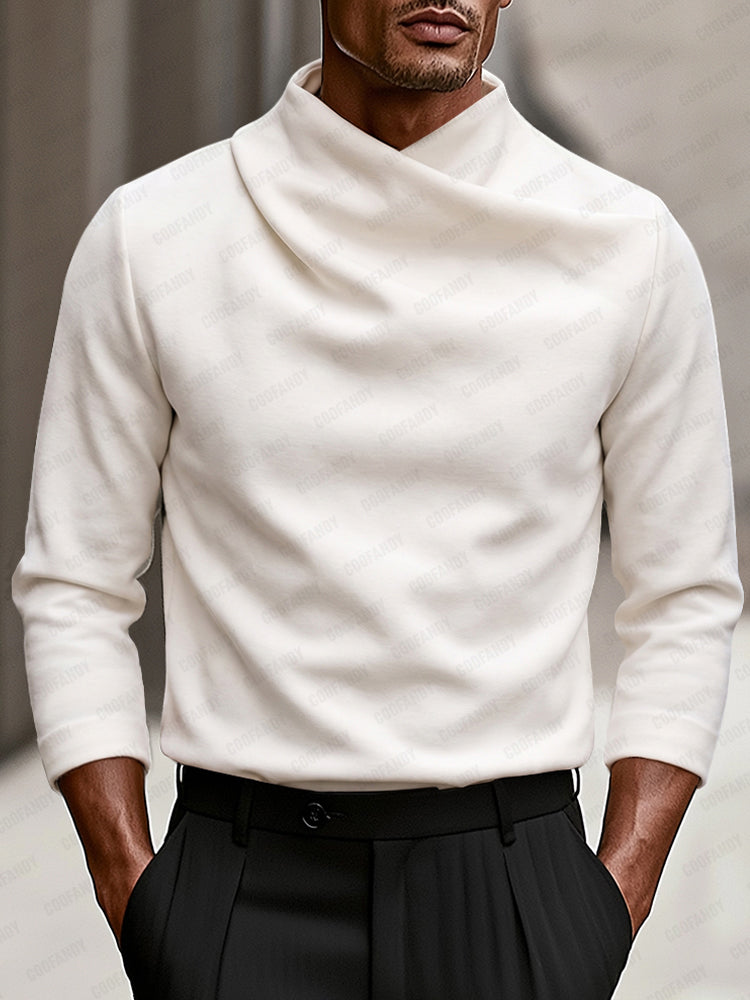
Fall signals do not require heavy sweaters or a closed jacket. They can come from a long sleeve, a muted or earthy color, a visible collar, a textured shirt, or a deliberate two-piece combination. In a warm climate, the useful test is whether the outfit can respond to changing conditions. A layer that looks seasonal but cannot be opened, removed, or carried becomes a liability when the sun returns.
Start with the lightest base that still looks complete. Then choose one layer with a clear job: shade, a cooler evening, an air-conditioned room, or a small change in formality. Avoid treating “breathable” as a guarantee of comfort; the product descriptions below provide material or lightweight language, but they do not establish personal feel, cooling performance, or protection from the sun.
A Four-Step Warm-Climate Layering Method
1. Read the day in parts
Check the warmest afternoon period, the amount of direct sun, humidity, and the temperature or exposure expected after sunset. A day that is hot at lunch and cool at night needs a layer you can carry, not a heavy outfit worn from morning. An air-conditioned office creates a different need from an outdoor walk even when the outside temperature is identical.
2. Choose a complete base
Use a tee for the simplest base or a lightweight long-sleeve shirt when you need more coverage and a clearer fall signal. The base should work on its own during the hottest part of the day. Choose a neckline and hem that remain neat under an open shirt, and avoid adding a layer that makes the base look unfinished once removed.
3. Add one removable layer
An open shirt can add texture and visual depth without committing you to a closed outer layer. Wear it open when air movement matters, close it briefly for a cooler room, and carry it when the afternoon is too warm to wear it. If humidity is high, keep the layer loose enough to open and avoid stacking a second layer unless the evening condition is genuinely different.
4. Adjust for sun and evening exposure
Use the same outfit differently through the day. Roll or push sleeves only when the garment allows it without looking rumpled; open the front when you need airflow; close or carry the layer when the temperature drops. If your destination regularly reaches the 50–60°F range, use the temperature-specific layering guide instead of treating this warm-climate framework as a jacket recommendation.
Formulas for Common Conditions

| Condition | Base | Removable layer | Adjustment and failure check |
|---|---|---|---|
| Sunny and humid | Solid tee | Open linen-blend shirt | Keep the front open and avoid a second layer; if the shirt cannot be removed, the outfit is too warm for the plan. |
| Hot afternoon, cooler evening | Tee or lightweight long sleeve | Carryable long-sleeve shirt | Leave in the base during the afternoon and add the shirt later; do not dress for the evening from the start. |
| Outdoor day with strong sun | Long-sleeve shirt or tee | Open shirt for shade or a room change | Use a layer for coverage and style, not an unsupported sun-protection claim; move indoors or seek shade when needed. |
| Air-conditioned office | Tee or shirt | Light open overshirt | Keep the base polished enough for meetings; a heavy closed layer defeats the warm-climate purpose. |
| Warm social evening | Tee or lightweight shirt | Open shirt, closed only if needed | Add texture or a muted fall color; avoid multiple formal pieces that trap heat and change the setting’s register. |
The best formula is the one that gives you an easy exit. If you cannot remove the layer, open it, or carry it without disrupting the outfit, simplify the plan. If the base looks too summery, change color, texture, or sleeve length before adding weight. If the evening is genuinely cool, add the layer at that point rather than wearing it through the hottest hours.
Using COOFANDY Examples Carefully
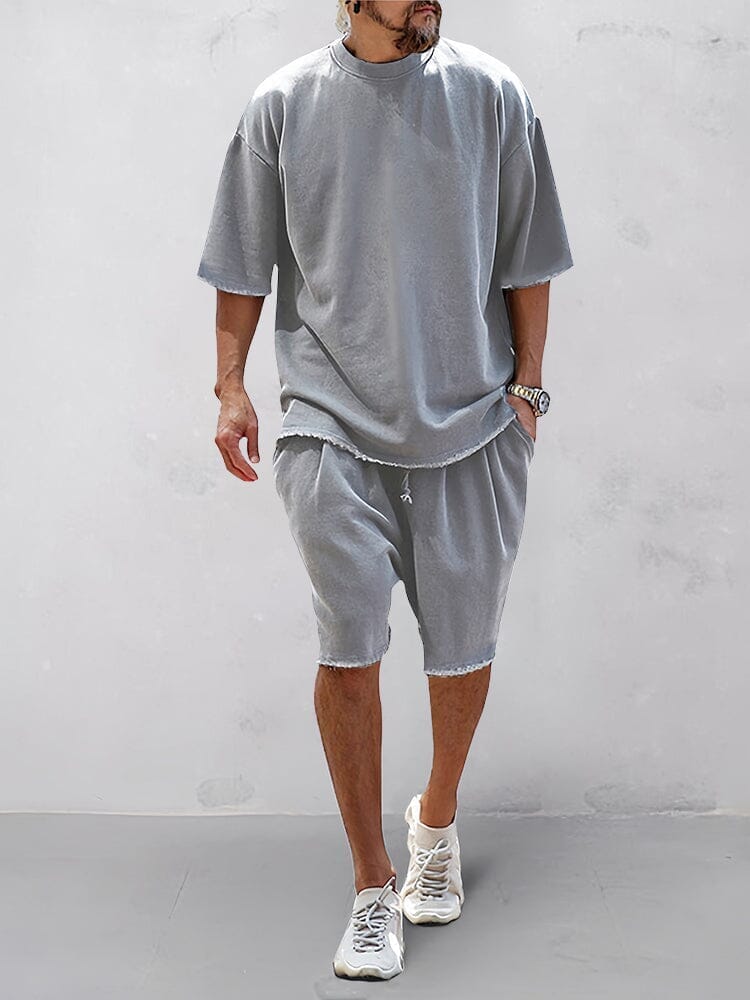
The Classic Solid Versatile Basic T-Shirt (US Only) is listed as a solid basic tee with a 62% polyester / 34% cotton / 4% spandex composition. It is a useful base example for the sunny, humid and air-conditioned-office rows. The composition does not prove that it will feel cool, dry quickly, fit a particular body, or protect from sun.
The Soft Touch Linen Blend Shirt is listed with 67% viscose / 30% linen / 3% spandex and lightweight and breathable language. The Cotton Linen Casual Long Sleeve Shirt is listed with 55% cotton / 45% linen and lightweight and breathable language. Use either as a long-sleeve option or carry it for later, and check its product page for current details. Those descriptions do not establish a personal cooling result, moisture performance, packability, or sun protection.
For browsing, the men's t-shirt collection helps when the base is the missing piece. Browse the men's shirt collection for shirts, or the men's linen clothing collection to compare linen-blend options. Collection pages can change, so check the current page before relying on price, color, or availability.
Seasonal Signals Without Overheating

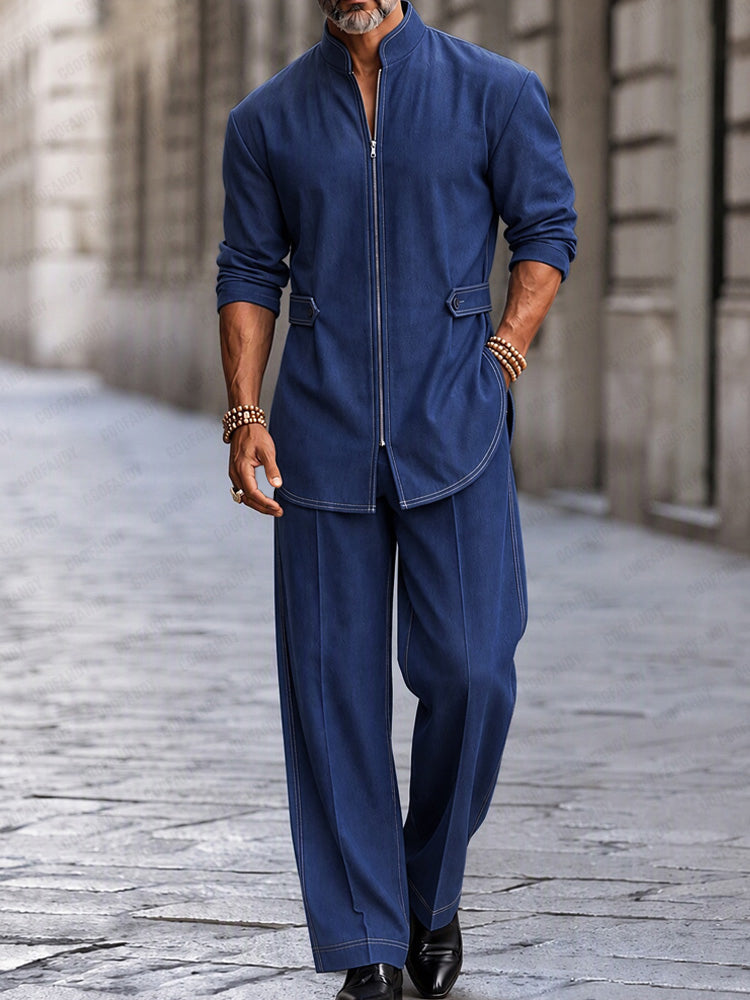
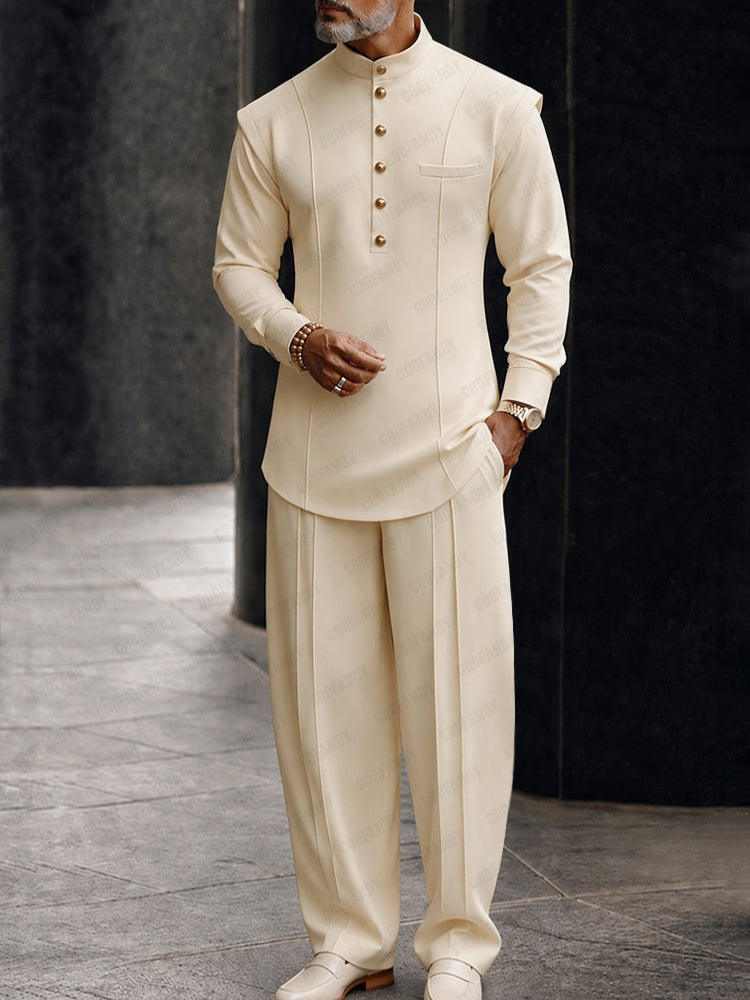
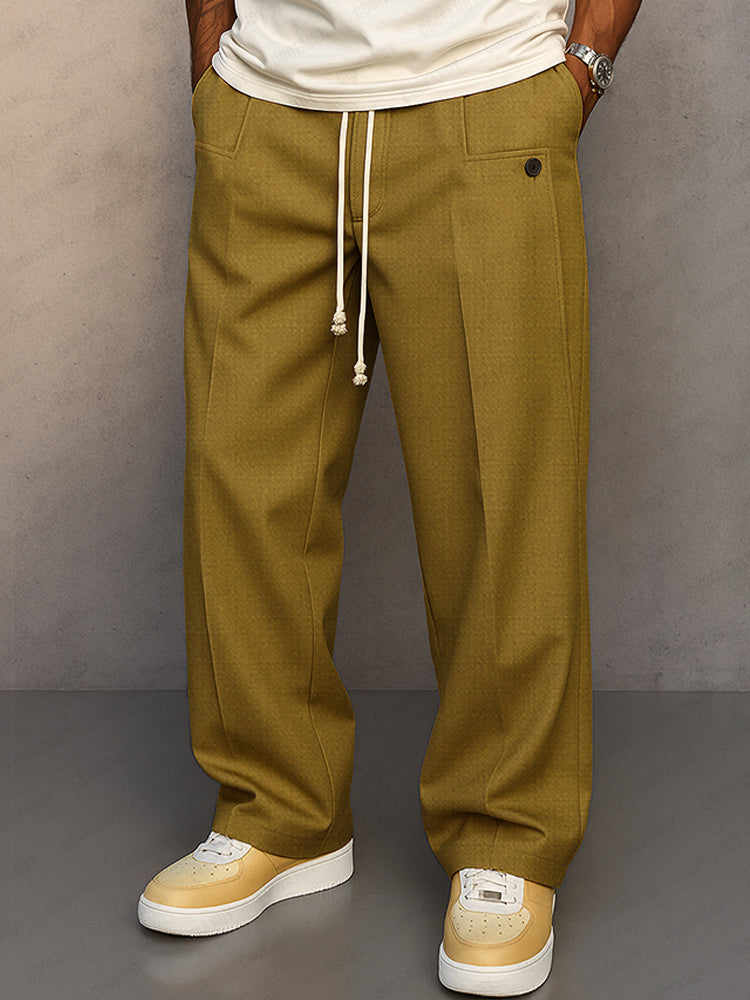
Use one or two fall cues rather than turning a warm-weather outfit into a winter outfit. A muted olive, rust, tobacco, charcoal, or navy can make a tee-and-shirt combination feel seasonal; a textured collar or long sleeve can do the same. Keep the rest simple so the color or texture reads as intentional. If the sun is strong, choose the removable layer for coverage and visual depth, not an unverified technical benefit. If the day stays hot, the base and one open shirt are enough.
Common Failure Conditions
The first failure is dressing for the evening at noon. Carry the layer and add it later. The second is using “breathable” as a promise of personal comfort; material language cannot predict every body, fit, or humidity level. The third is stacking layers that cannot be separated when the sun comes out. The fourth is using a heavy jacket for a warm-climate question; that belongs in a temperature-specific guide when the actual conditions call for it. Finally, do not call an outfit fall-ready merely because it uses a dark color if the fabric, sleeve, and removable-layer plan do not suit the day.
Frequently Asked Questions
What should men wear when it is still hot in fall?
Start with a tee or lightweight shirt that looks complete on its own, then carry one open, removable layer for a cooler room or evening. Use a muted fall color, texture, or long sleeve to signal the season without adding heavy insulation. In humidity, open the layer and avoid stacking pieces. If the day reaches genuinely cool temperatures, switch to a temperature-specific layering plan rather than forcing a warm-weather formula to do a different job.
How do you dress for fall in warm weather?
Read the day in parts: afternoon heat, direct sun, humidity, air conditioning, and the evening change. Choose the lightest complete base, add one layer that can open or come off, and carry it when the afternoon is warmer than the evening. Use color, texture, and sleeve length for fall character instead of weight. Product material descriptions can guide comparison, but they do not guarantee a particular person’s comfort or performance result.
What layers work in a warm climate?
Open shirts, lightweight long-sleeve shirts, and removable overshirts are useful because they can be worn differently as conditions change. A tee can remain the base while the shirt adds texture, coverage, or a modest change in formality. Choose the layer by its ability to open, come off, or travel with you. If the temperature drops into a cooler range, use a dedicated jacket guide and verify the garment’s current details rather than assuming a linen blend provides warmth.
Related Reading
- What to Wear in 50-60 Degree Weather: A Men's Layering Guide
- How to Transition a Summer Wardrobe Into Fall
- Fall Weekend Outfits for Men: Brunch to Evening
About COOFANDY
Founded in 2015, COOFANDY is a menswear brand created for modern men navigating work, weekends, celebrations, and everyday life. Its collection includes shirts, suits, pants, sweaters, and tees designed to help men build versatile, confident looks for different moments and personal styles. Guided by the belief that clothing can reflect confidence and character, COOFANDY focuses on making approachable menswear part of every stage of life.
Dejar un comentario