Your go-to resource for men's fashion advice - from hnding the perfect business casual pants to building a versatile wardrobe
without overspending.
Every guide is based on real wear-testing, honest comparisons, and practical tips for modern men who want to look sharp at
work, events, and everyday life.
Your go-to resource for men's fashion advice - from hnding the perfect business casual pants to building a versatile wardrobe without overspending.
Every guide is based on real wear-testing, honest comparisons, and practical tips for modern men who want to look sharp at
work, events, and everyday life.
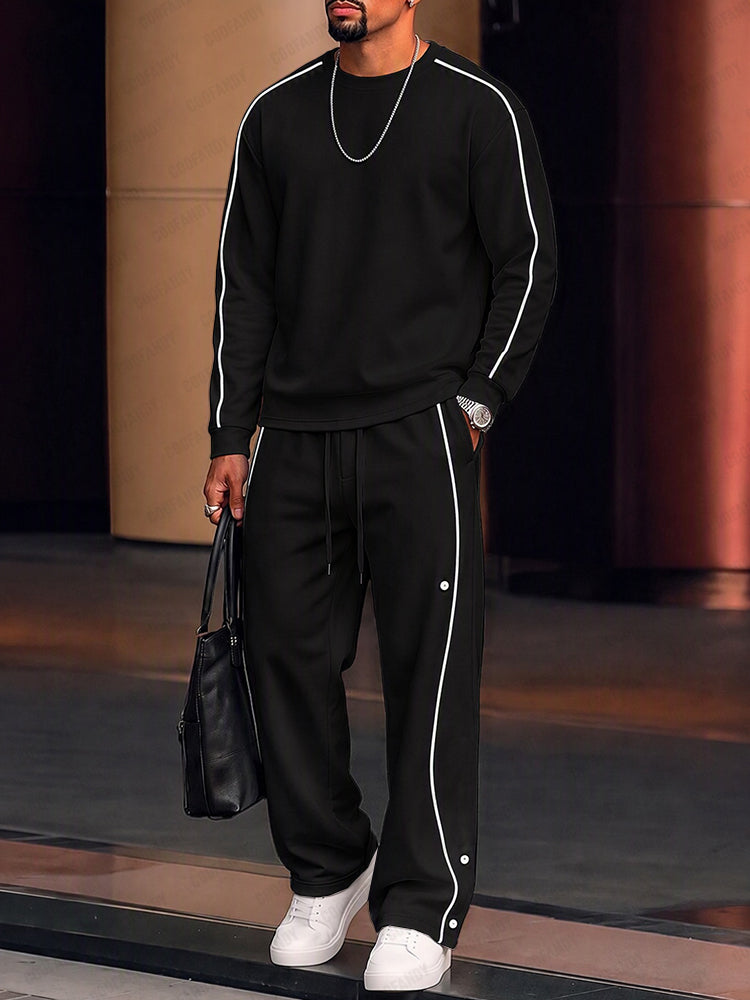
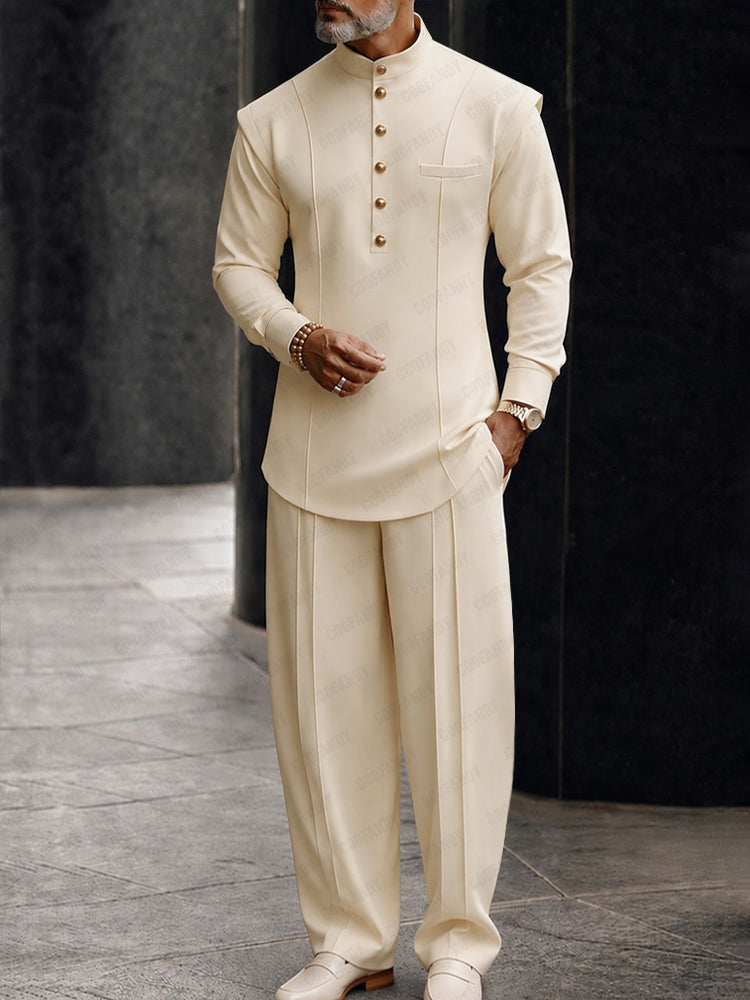
If picking vacation outfits stresses you out, matching 2-piece sets are the cheat code. Pre-coordinated, zero styling required. Here are the best options under $60.
The best office-to-match-night outfit is smart casual enough for work and relaxed enough for a bar or watch party after 5 PM. Build it with three conditions: a shirt that looks professional without feeling stiff, pants that stay comfortable through the day, and one simple styling switch after work. Remove a layer, roll the sleeves, change shoes, or open the collar, and you can go straight from desk to match-night plans. This is not about wearing event fan gear to the office. Use football-season color inspiration carefully, and avoid event or team-owned visual elements. The better move is to dress for your workday first, then make the outfit feel more social after hours.
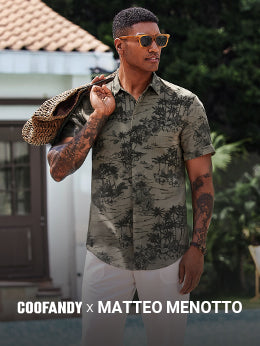
A short-sleeve button-down can change the tone of an outfit quickly. Left open over a tee, it keeps a travel or beach look relaxed. Buttoned with trousers, the same kind of shirt has enough shape for dinner. Warm-weather wardrobe coverage includes short-sleeve shirts in its seasonal roundup; this guide focuses on what makes one look considered once it is paired with the rest of the outfit.
A dress shirt needs to do more than look tidy on a hanger. It has to work when you are seated at a meeting, reaching for a coffee, walking into dinner, or standing through an introduction. The useful details are visible ones: where the collar sits, what the sleeves do when your arms bend, and whether the shirt still looks right after twenty minutes in a chair. Try a shirt with an actual trouser and shoe pairing before you decide it has a place in the wardrobe. That small effort reveals more than a category label. It also makes it easier to see whether the shirt belongs at a meeting, a dinner reservation, or a relaxed social plan.
For a first date in late spring or summer, start with the setting and the weather. Coffee calls for something clean and relaxed. Dinner needs a sharper line. Patio drinks can handle darker colors and better shoes. Outdoor plans need breathable fabrics and movement. The safest formula is simple: a well-fitting shirt, clean pants, shoes that match the place, and one detail that shows you made an effort without dressing like you rehearsed the whole night.
Try Halloween bar outfit ideas for men, from dark separates to a seasonal shirt or costume. Plan footwear, removable layers and small accessories before you go.
Good back to school outfits should make the day easier. Dress for the 8 a.m. lecture, the walk across campus, the chilly classroom, and whatever happens afterward. A few shirts, pants, sets, and light layers can cover the week without filling your closet.
The easiest way to make sense of men's shirts is to separate knit tops from woven shirts. Knits, including T-shirts, Henleys, and polos, feel softer and more casual. Woven shirts, from Cuban collars to dress shirts, bring more shape through the collar, placket, and hem.
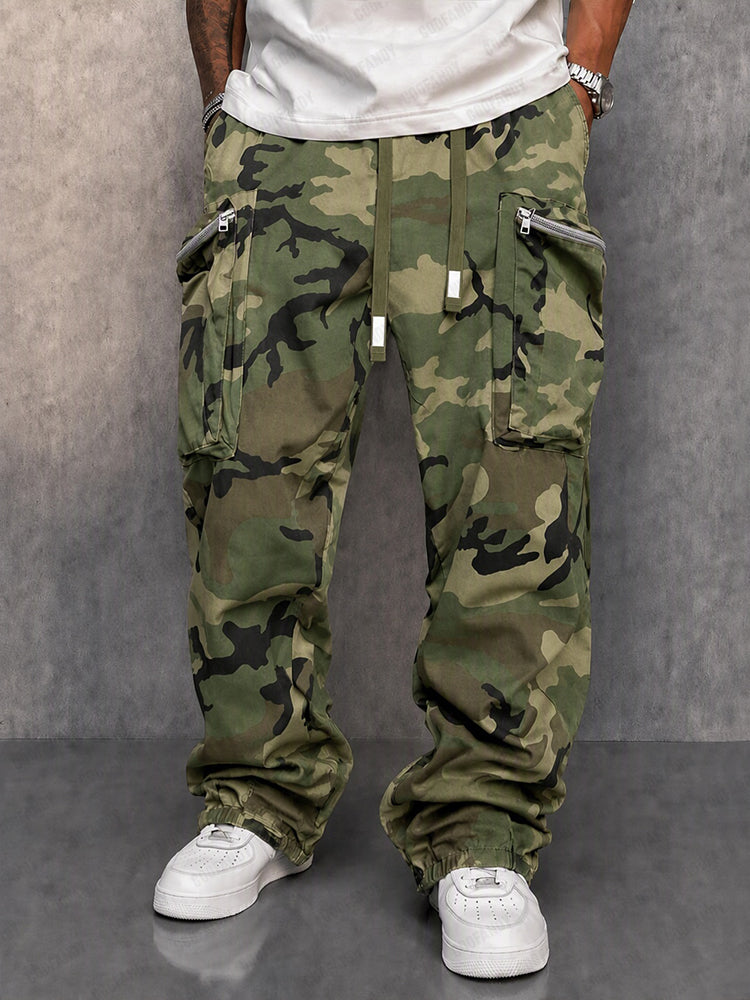
Choose linen pants for visible texture and a relaxed summer look. Choose cotton-linen when you want a similar seasonal feel with more everyday structure. Treat performance-oriented pants as a broad category label when a smoother-looking pair suits your commute-heavy or active routine. None wins every summer plan. The right call comes down to the setting, the silhouette you like, and the care you are willing to build into your week. This summer-pants guide starts from the same question. In this COOFANDY comparison, we stay with styling and care rather than ranking products.
Summer pants solve a familiar problem: you want more coverage than shorts without looking overdressed. Start with where you are going, how formal the plan is, and what you will wear on top. Relaxed trousers make sense for travel and weekends; a cleaner straight-leg pair often works better for the office or dinner. Use the occasion, waistband, and overall silhouette to narrow the choice. This summer-pants guide uses similar filters, but they only help once you look at the plans on your own calendar.
Summer office dressing is about feeling lighter without dropping the standard of the room. Start with a clean shirt, trousers that match the dress code, and shoes that make sense for the clients or colleagues you will meet. A polo, short-sleeve button-down, or lightweight long-sleeve shirt can all work when the fit is tidy. The outfit for a long commute, an air-conditioned office, and a client lunch needs to hold together across all three. This cooling-clothes guide addresses the pull between outdoor heat and indoor comfort. In this COOFANDY guide, we focus on remaining office-appropriate through both.
For a hot-weather trip, plan around the places you will actually go: the airport, a long walking day, a pool stop, a museum, and dinner. These six looks share a few compatible pieces without turning the trip into a packing-system exercise. This related summer-style guide considers heat-focused clothing. In our COOFANDY guide, we focus on complete looks for the changing parts of a trip.
No single garment solves a hot day. A workable summer outfit starts with three things: a fabric weight that suits the plan, enough room to move, and no layer that is there only for show. For an easy Saturday, that might be a light shirt and shorts. For a travel day or dinner reservation, a lightweight shirt, clean trousers, and simple shoes usually make more sense. The aim is not to buy a “cooling” item; it is to dress appropriately from the first errand through the last plan. This cooling-clothes guide looks at the garment side of that question. In this COOFANDY guide, we focus on making the whole outfit work.
A men’s linen shirt should fit with room through the chest, a shoulder seam near your natural shoulder, and enough length to wear untucked without looking sloppy. Choose short sleeve for beach days, daytime travel, and casual summer plans. Choose long sleeve for dinners, smart-casual outfits, travel days, and breezy evenings.
Most dress-shirt fixes are small. Before: the collar is twisted, the hem is caught above the waistband, and the shoes belong to a different plan. After: the collar lies flat, the hem has a clear finish, and the outfit reads as one thing. You do not need a new collection of accessories to make that change. For fabric, start with the exact garment's listed composition and care directions, then judge how the shirt looks after a normal sit and stand. No fabric label alone makes a shirt look polished. Look at the shirt where people will see it: around the face, across the shoulders, at the cuffs, and where it meets the trousers. Then make one adjustment at a time. The difference often shows up before you leave the mirror.
Evaluate a men's shirt online using listed fabric and care facts, comparable garment measurements, visible details, and clear next steps for missing information.
Check a shirt and blazer as a pair: test shoulder and chest room, compare collars and cuffs, move normally, and change one layer to locate a fit problem.
Understand business casual for men in 2026, including dress-code boundaries, core shirts and pants, workplace examples and a practical fall layering module.
Choose a men's fall interview outfit by employer formality, interview format and weather, with clear options for shirts, pants, blazers and outer layers.
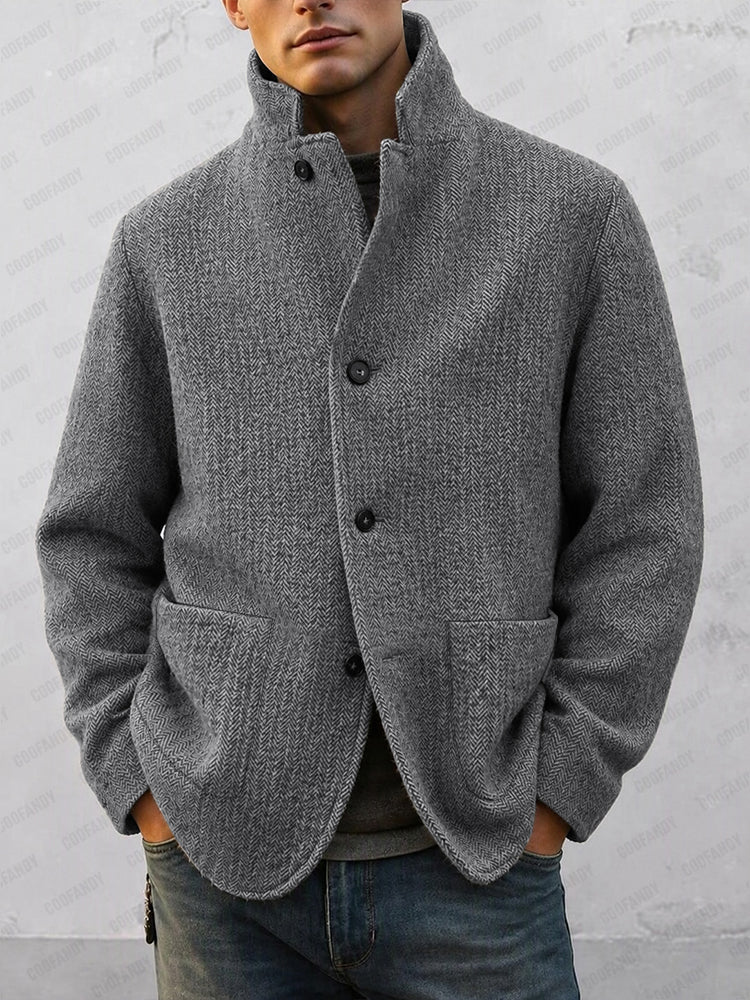
Layer a crewneck sweatshirt or hoodie under a jacket by matching weight, controlling hood and hem bulk, and keeping the casual outfit's proportions clear.
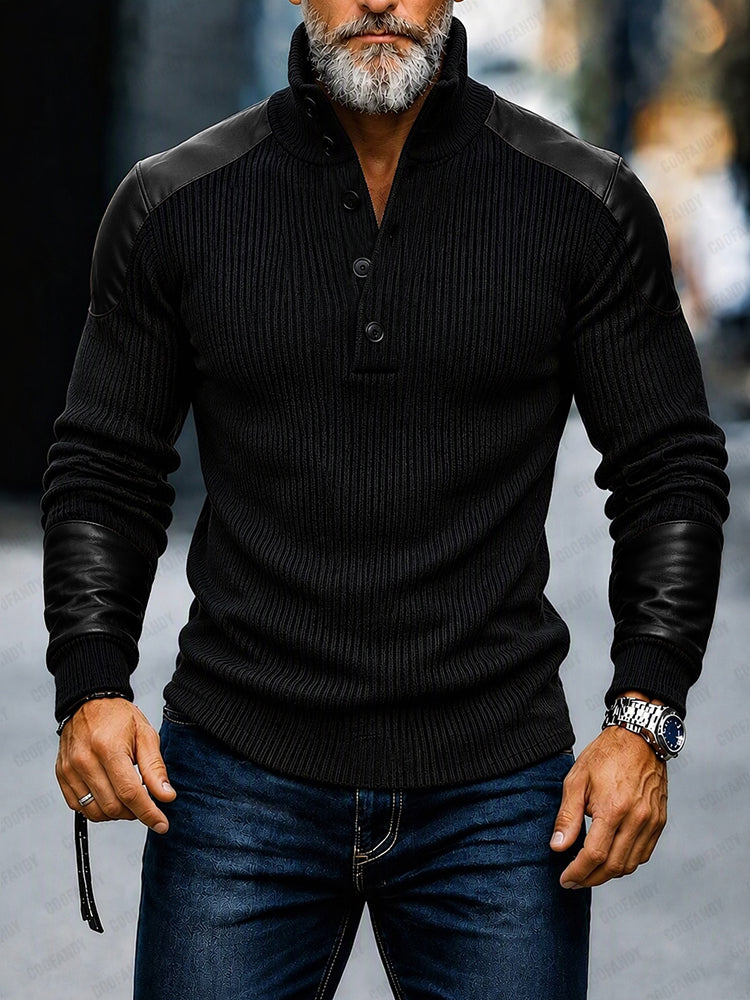
Layer a men's quarter-zip over T-shirts, polos or button-ups with practical zipper, collar, fit, weight and trouser rules for casual and office settings.
A practical men's fall capsule wardrobe can work with 10 clothing pieces: three bases, three knits, two pairs of pants, one overshirt and one jacket. The key is not the number alone. Every top must work with both pants, and each layer must fit over at least two bases. The system below produces 30 distinct outfits without counting shoes or accessories as separate pieces.
When you do not know what to wear in fall, use a four-part formula: pants that match the occasion, a base layer that works indoors, one removable warm layer, and footwear at the same formality level. The 12 combinations below cover mild weekends, cool commutes, casual offices, dinners and outdoor plans without requiring a separate wardrobe for each.
Short answer: Choose men’s casual shirts by where the fit fails, not by a body-type label alone. Locate pulling, excess cloth or the wrong length, then compare the relevant measurements. A shirt should let you sit and reach before you decide whether you like its outline.
Short answer: Choose 100% linen if linen fiber content is non-negotiable; rule out blends on that basis. Otherwise, choose the specific shirt whose closure, cut, measurements and care routine meet your needs. This guide does not establish a winner for airflow or wrinkle recovery.
Before you add anything to your cart, look at the week ahead and build a compact campus wardrobe around the classes, events, and everyday plans you actually have.
Build a practical men’s campus wardrobe with shirts, pants, layers, matching sets, and five outfit formulas for class, presentations, events, and dates.
Seven neutral game-day outfits for men who would rather skip the jersey, with practical ideas for stadiums, sports bars, hot weather, and dinner afterward.
Learn how to wear team colors without a jersey using one team color and two neutrals, with 7 men's outfits for bars, watch parties, dates, and outdoor games.












 Track Order
Membership