








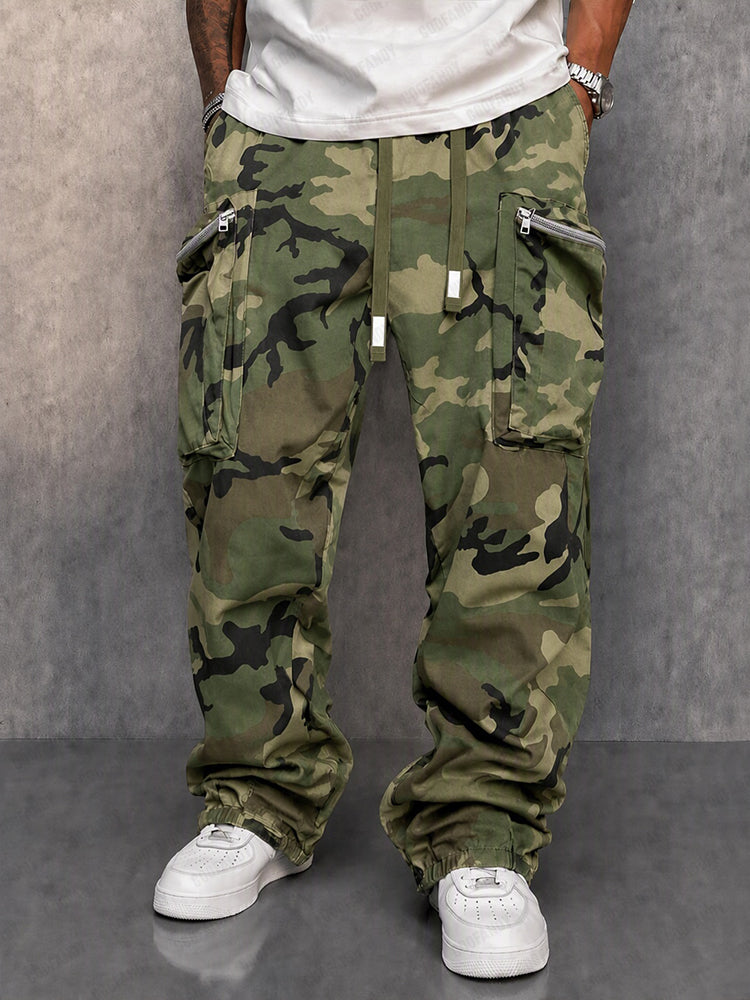
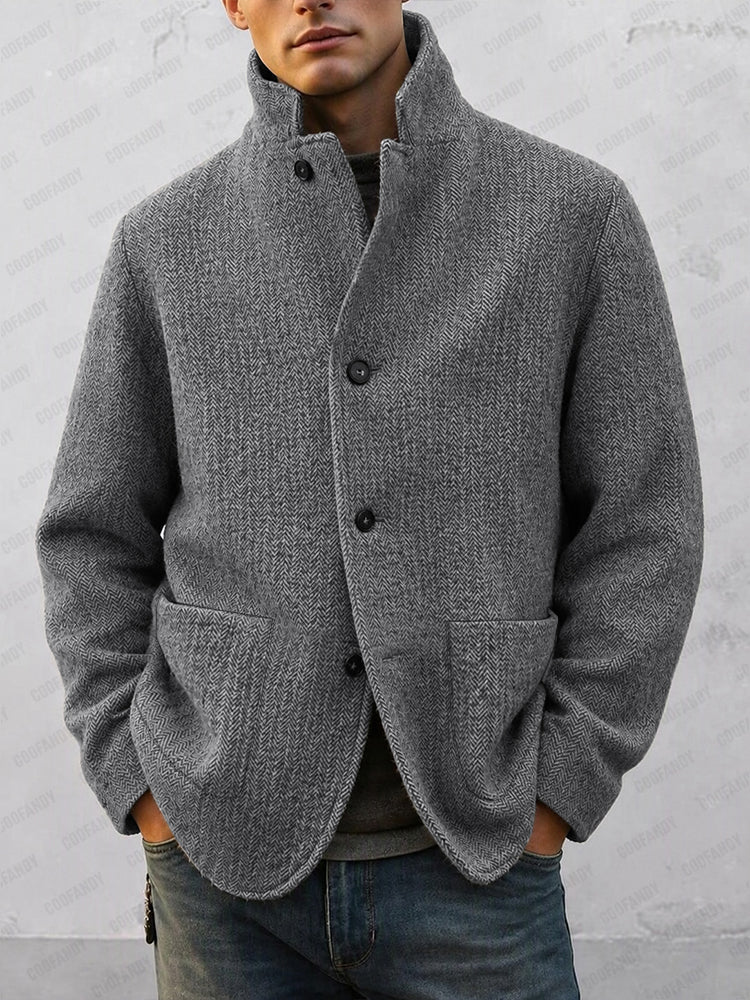
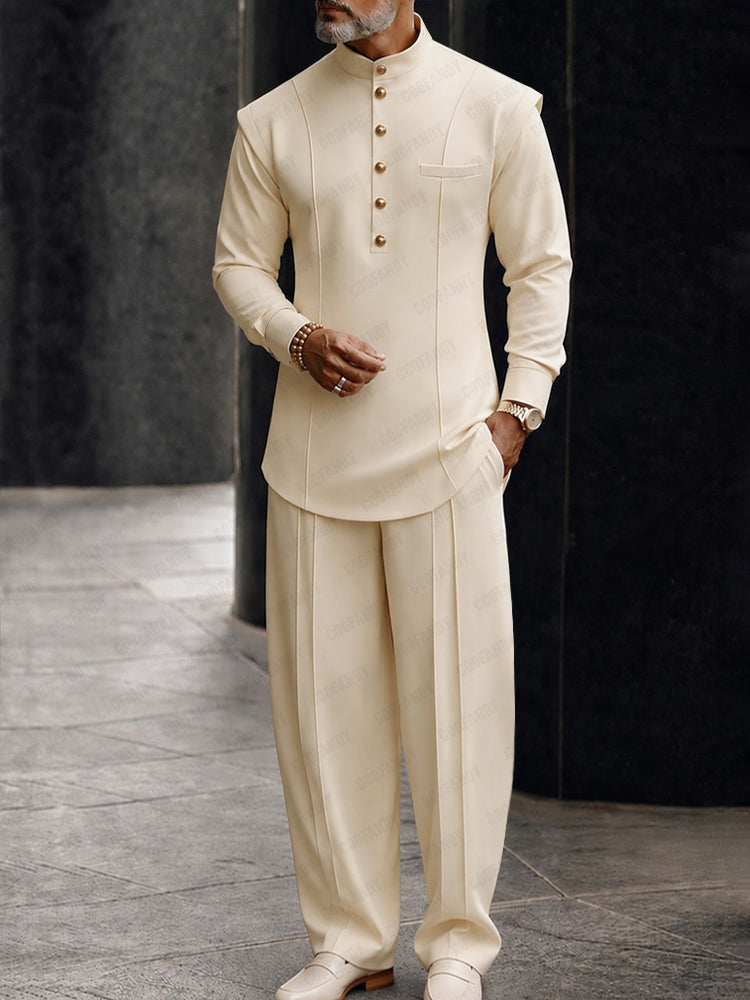
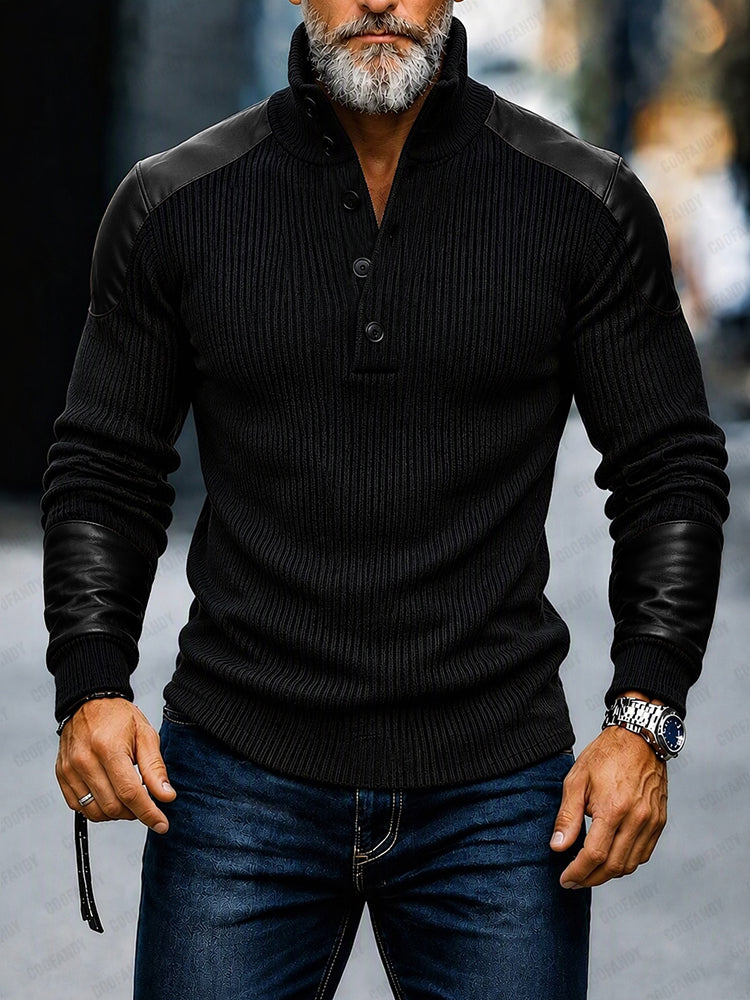
Christmas Dinner Outfits for Men by Setting

The right Christmas dinner outfit starts with the setting, not a holiday color rule. Check the invitation, ask the host when the dress expectation is unclear and picture the room or itinerary before choosing a shirt, blazer or another layer. A family dinner at home, a restaurant reservation and a dinner during travel can ask for different levels of structure, but none of those settings proves one universal look.
Use this order: identify the setting, name the garment's job, choose the supporting trousers and shoes, check the current product details and then test the complete outfit in movement. If you cannot explain where the outfit belongs, how it works with clothes you already own or what the host expects, pause before adding more pieces. A clear stop is better than a festive outfit that leaves you adjusting it all night.
Start With the Dinner Setting and the Invitation
Begin with the most concrete evidence available. Is the dinner at a family home, a restaurant, a hosted venue, a hotel or somewhere you will reach while traveling? Does the invitation use a dress phrase, mention a jacket or give you nothing beyond a time and address? If another person is hosting, a short question can prevent a long guess.
Separate four kinds of information:
| What you know | What it helps you decide | What it does not prove |
|---|---|---|
| The invitation's exact wording | Whether a particular level of structure or category needs checking | That one product automatically meets the wording |
| The venue and dinner format | Which complete outfit to test first | That every guest will dress the same way |
| What you already wear for similar dinners | A familiar garment role and supporting pieces | That an unfamiliar silhouette will work without a try-on |
| The travel itinerary | How many settings the outfit must cover | A warmth, weather or performance outcome |
If the setting is only “Christmas dinner,” keep the decision provisional. Look for the host's expectation, the restaurant's stated dress information or a reliable photo of the event format. A family label does not automatically mean casual. A restaurant name does not automatically mean formal. The actual context has to do the work.
Once the setting is clear enough, describe the outfit's job in one sentence. For example: “I need a shirt and trousers for a relaxed family meal,” or “I need a structured layer that can work for a restaurant dinner and the walk there.” That sentence keeps the product page from deciding the occasion for you.
Family or Home Dinner: Keep the Outfit Familiar
For a family dinner at home, begin with the clothes you already wear when you want to look considered without feeling overbuilt. A clean shirt, familiar trousers and shoes that make sense in the house may be enough. If the family treats the dinner as a dressier event, use the host's expectation and the clothes you have worn successfully at similar gatherings as your guide.
The safest route is usually a recognizable wardrobe role with one intentional change. You might keep the trousers and shoes that already work, then change the shirt. Or keep a familiar shirt and add a layer only if the room, host or family tradition calls for it. Changing every piece at once makes it harder to tell whether the issue is the garment, the proportions or the setting.
Check the full outline before choosing a color. Does the shirt hem meet the trousers in a way you recognize? Do the shoes belong to the same plan? If you add a blazer, can you sit at a table without the outfit becoming more structured than the event requires? These are practical questions about your own wardrobe, not rules that apply to every home dinner.
If the family dinner includes photographs, a meal outside the home or a second stop, test the outfit for all of them. A combination that works while standing in a mirror may need one small change once you sit, move between rooms or add a coat. Keep the adjustment limited. A shirt with a clear role and trousers you already trust is often easier to manage than a novelty outfit assembled only for the holiday.

Restaurant or Hosted Venue: Match the Room
A restaurant or hosted venue gives you more visual information, but the name of the place still does not settle the dress code. Read the invitation, check any stated requirement and notice whether the plan includes a private room, a bar, a hotel dining room or a casual table. When the host uses a formal label, confirm whether separates are acceptable or whether a matching suit is expected.
For a restaurant dinner, compare three levels of evidence before choosing the garment:
- The stated requirement: Follow the invitation or host instruction first. A product title cannot replace it.
- The room and schedule: Consider whether you will be seated for the whole dinner, move between spaces or continue to another event. The complete plan affects the layer and shoes you should test.
- Your existing wardrobe: Use a jacket, shirt or trouser combination that you already know how to wear. Add a new element only when you can explain its role.
A blazer may be the right direction when the setting and invitation call for more structure, but the word “blazer” is not a guarantee of formalness. Check shoulders, sleeve length, closure, trousers and shoes together. If the invitation calls for a matching suit, treat that requirement as controlling and do not use a separate jacket as an unconfirmed substitute.
Color can support the room without becoming a costume. Start with the trousers and shoes you plan to wear, then check whether the shirt or layer gives the outfit a clear center. A quiet base can let one visible detail carry the interest. If several pieces compete for attention, remove one before adding another.
For a deeper online shirt inspection, read How to Judge a Premium Men's Shirt Online. The reference helps with the product-page step; the restaurant decision still belongs to the invitation, room and complete outfit.

Travel or Destination Dinner: Plan the Whole Route
Travel changes the question from “What looks right for dinner?” to “What can I responsibly plan across the route?” Start with the itinerary: arrival, daytime activity, dinner, transport and any second venue. Decide whether the dinner outfit can use the same trousers, shoes or layer as another part of the trip. This is a rewear question, not a promise that one garment will cover every condition.
Keep the route and the dinner separate. A destination may sound warm, but a product page's fabric label does not establish how comfortable or warm the outfit will be. Check the current conditions and the actual activities for your trip separately, then use the garment's listed details to decide whether its care and role fit the plan. If the route has a clear dress requirement, follow that requirement before relying on a travel capsule.
Use a small travel matrix:
| Trip moment | Outfit job | Evidence to check |
|---|---|---|
| Arrival or daytime plan | Work with the same trousers or shoes without looking accidental | Actual itinerary, existing wardrobe and movement |
| Christmas dinner | Meet the host or venue expectation | Invitation, room, garment role and complete outfit |
| Transport after dinner | Stay workable when you sit, walk and add an outer layer | Shoe choice, hem, sleeve and layer interaction |
| Next use | Give the garment a second realistic role | A specific setting, not “sometime on the trip” |
Care matters on a route with limited time. Read the current care instruction on the exact product page and compare it with what you can realistically do during the trip. Do not turn a listed instruction into a promise of easy maintenance. If the garment's care or size evidence is unresolved, choose a different role or wait until you can verify it.
When packing, test the actual dinner outfit with the shoes and layer you intend to bring. Look at it after sitting down and after walking with the bag or coat you will use. A destination dinner is easier when the outfit has a clear job and a clear fallback, not when it is expected to solve every part of the itinerary.

Use Product Pages as Fact Sheets
After the setting is clear, read the current product page in a consistent order. Record the exact identity, visible design details, listed color options, composition and care instruction. Then compare those fields with your invitation, wardrobe and itinerary. Keep page facts separate from assumptions about fit, comfort, warmth, performance or formalness.
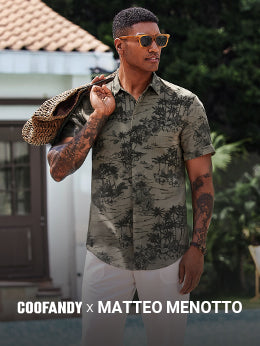
The current Vacation Casual Hidden Placket Linen Blend Shirt page lists a Cuban collar, hidden button placket with bartack stitching, short sleeves, side slits, back pleats and a straight hem. It lists Olive Green and Black options, a 55% linen/45% cotton composition and machine wash cold with like colors. These fields can help you decide whether the visible design, color options and listed care instruction belong in the setting you are planning. They do not prove fit, comfort, warmth, performance or universal Christmas-dinner suitability.
The current Tailored Fully-Lined Peak-Lapel Wool Blend Blazer page lists an extended peak lapel, structured waist, crisp shoulder line, single welt chest pocket, two flapped pockets and fully lined construction. It lists Black and Gray options, a composition of 37% wool, 36% polyester, 25% viscose and 2% spandex, and professional dry clean only. Those fields can help you inspect a structured layer against the venue, your trousers and your care plan. They do not establish formalness, fit, warmth, comfort, stretch, availability or dinner suitability.
Keep a two-column note:
| Dinner evidence | Product-page field to verify |
|---|---|
| Invitation or host wording | Product identity and current selector |
| Room, table and movement plan | Visible collar, lapel, sleeve, closure and hem |
| Trousers and shoes you already own | Listed colors and current product images |
| Your care and travel plan | Listed composition and care instruction |
| A reliable size reference | Current size guide and selected size |
If the page does not answer a central question, keep that question open. A product page is a useful fact sheet, but it cannot make the invitation, wardrobe or body evidence disappear.
Build the Complete Christmas Dinner Outfit
Join the setting and the garment role before you choose the final pieces:
| Setting | First outfit route | Supporting-piece check | Stop condition |
|---|---|---|---|
| Family or home dinner | Familiar shirt and trousers, or one intentional layer | Sit, eat and move through the home in the full outfit | The event expectation or garment role is unclear |
| Restaurant or hosted venue | Follow the invitation, then choose shirt, blazer or matching suit as allowed | Check jacket, trousers, shoes and any required layer together | You are substituting separates for a stated suit requirement |
| Travel or destination dinner | Plan the dinner look inside the itinerary | Rewear at least one supporting piece and verify care | The route, care plan or size evidence cannot support the plan |
The table is a route, not a ranking. A home dinner may need a jacket. A restaurant may allow a relaxed shirt. A travel dinner may require more than one outfit. Let the actual setting and instruction decide which branch you take.
Before you commit, name two complete uses for the main garment. The first is Christmas dinner. The second could be another restaurant meal, a family gathering or a specific trip activity. Write down the trousers, shoes and layer for both. If you cannot complete the second outfit with clothes you already have or plan to verify, the first outfit may be too narrow to justify the purchase.
Color comes after the route. Check the trousers and shoes first, then decide whether the shirt or jacket should blend, contrast or carry the visible detail. Use colors you already know how to wear when the event is important. A holiday setting can support a stronger choice, but it does not require one.
Check the Outfit in Movement
Do the final check in the clothes you will actually wear. Look at the outfit in the light you will leave in, then run this sequence:
- Stand naturally and check the collar or lapel, shoulder line, sleeve length and overall balance.
- Sit as you will sit at dinner. Notice the hem, closure, waistband and whether the jacket or shirt shifts into an unwanted shape.
- Stand, walk across the room and reach for a coat or chair. Check whether the sleeve and layer still work together.
- Put on the shoes and any outer layer. Look at the complete outline from the front and side.
- Remove or change one element only if it is causing the problem. Then repeat the movement that exposed it.
This check is about your actual outfit, not a promise about every body or setting. If the issue is size, compare the current garment measurements and size guide before changing styling. If the issue is a stated dress requirement, confirm the requirement before adding accessories. If the outfit still has no clear role, return to the setting gate.
For a focused shoulder reference when a casual blazer is under consideration, read How Should a Casual Blazer Fit Through the Shoulders. Use the page as a fit-check reference, then perform the complete dinner test with your own trousers, shoes and layer.
Know When the Setting Is Still Unclear
Ask the host when the invitation is vague and the answer would change your outfit. “Should guests wear a jacket?” or “Is the dinner casual or dressier?” is more useful than guessing from the restaurant name. If you are traveling, check the actual itinerary and any venue information rather than relying on the destination label.
Pause when you do not have a reliable size reference, when the product size guide does not resolve the comparison or when the complete outfit depends on a piece you do not own. Pause when the invitation requires a matching suit and you have not confirmed that separates are acceptable. Pause when you can describe only one hypothetical use for the garment.
At purchase, recheck the exact product page, current size guide, selected color, care instruction and current store terms. Price, stock, delivery and return or exchange conditions can change. This article does not establish any of them. Keep those transaction details tied to the current order and do not turn a remembered policy into a promise.
If the central answer remains missing, waiting is a valid result. A dinner outfit should make the evening easier to enter, not create a new problem for the host, the wearer or the person managing the garment afterward.
Christmas Dinner Outfit Checklist
Before ordering, confirm the setting, product details and size evidence below. Once you have the garments, test the complete outfit before leaving:
- You know whether the dinner is at home, in a restaurant or part of a travel itinerary.
- You checked the invitation, host instruction or venue information instead of treating the setting label as a dress code.
- You can name the main garment's job and two supporting pieces.
- You checked the current product identity, visible details, listed colors, composition and care instruction.
- You have a reliable size reference and current size information.
- You tested the complete outfit sitting, standing, walking and adding the outer layer.
- You know which missing answer would make you pause.
When those checks are clear, visit the COOFANDY Signature page and browse the COOFANDY Signature collection with your setting and outfit role already defined. The collection can show possibilities; the invitation, your wardrobe and the current product page still make the decision.
FAQ
What should a man wear to a Christmas dinner at home?
Start with the level of dress the host and family actually expect, then build from a familiar shirt, trousers and shoes. Add one intentional layer or change when the setting calls for it. Sit, move and check the full outfit before adding more pieces. A home dinner is not automatically casual, so ask when the expectation is unclear.
What should a man wear to a Christmas dinner at a restaurant?
Read the invitation, check the venue and use clothes you already know how to combine. A shirt, blazer or matching suit may be appropriate depending on the stated requirement. Check the complete outfit with trousers and shoes, and do not substitute separates for a matching-suit request without confirmation.
How should I plan a Christmas dinner outfit when traveling?
Start with the itinerary and give the dinner outfit a clear job within the route. Check whether the trousers, shoes or layer can support a second specific use, then verify the exact product's current size and care information. Do not treat a destination label or fabric name as proof of warmth or comfort.
Can I wear a blazer to Christmas dinner?
You can consider a blazer when the invitation, venue and your supporting clothes point in that direction. The word “blazer” alone does not establish formalness or suitability. Check the shoulders, sleeves, trousers, shoes, size evidence and whether the invitation requires a matching suit before deciding.



Dejar un comentario