









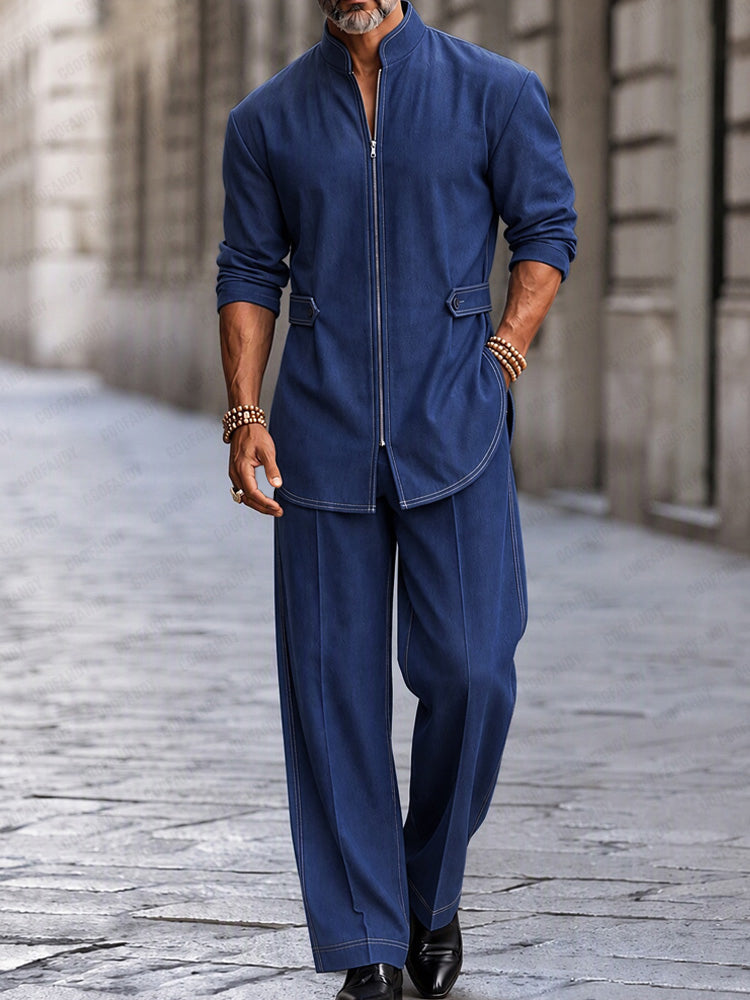
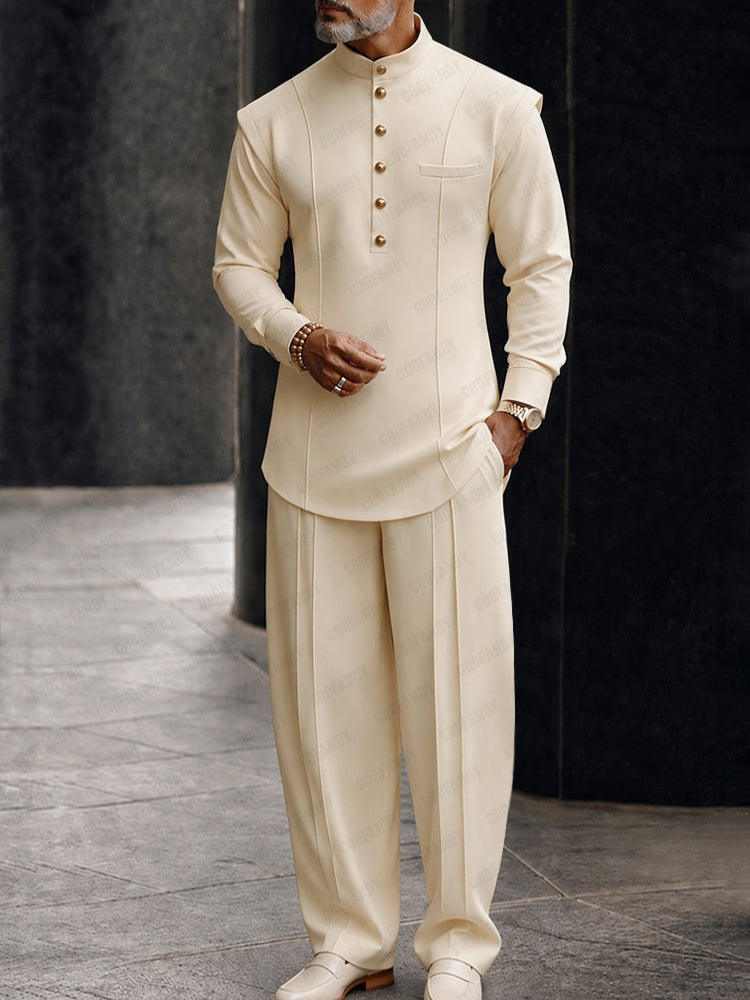
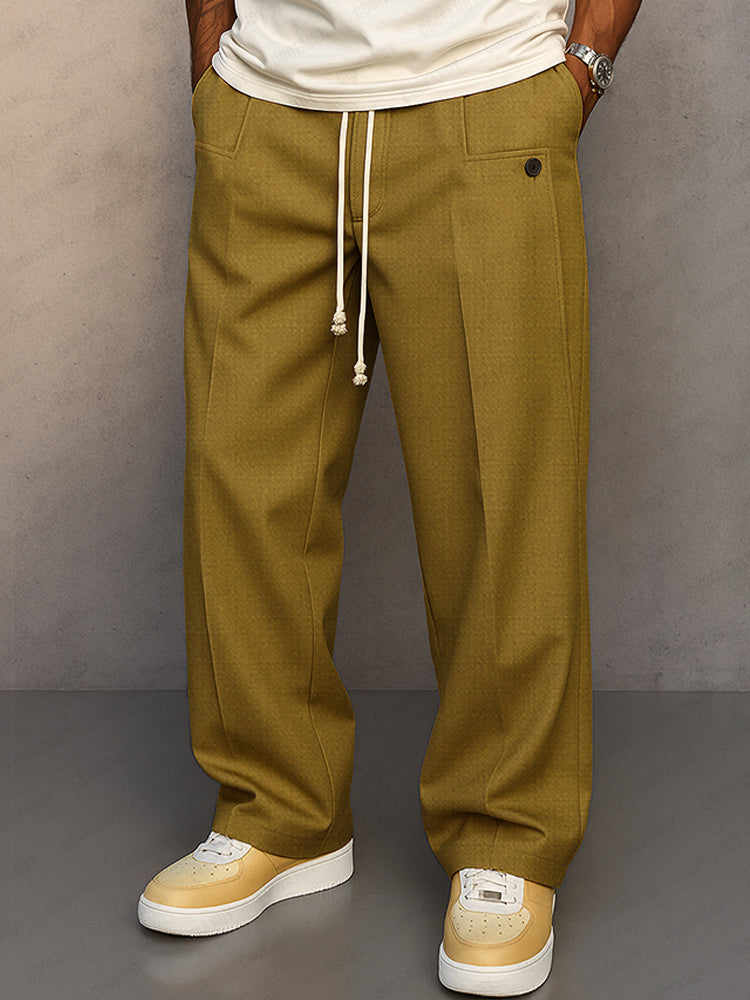
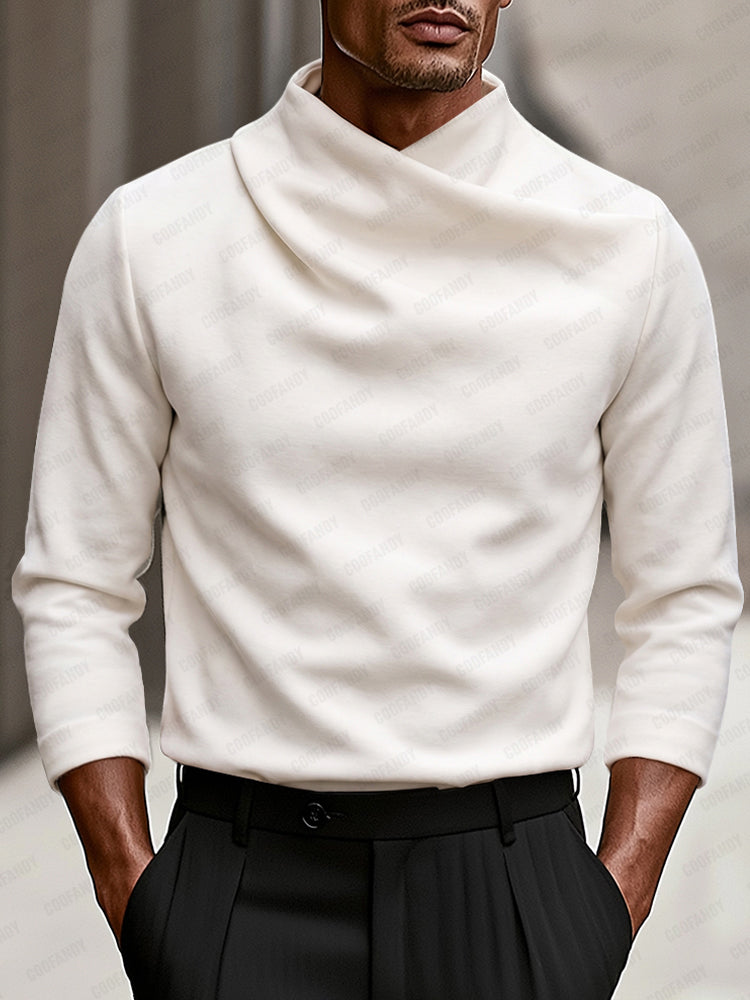
Matching Sets That Look Elevated: Smart Options for Men
You've seen the appeal. A matching set means no guesswork—top and bottom already work together, you walk out the door looking intentional, and the whole outfit took three minutes to put on. But there's a lingering hesitation: will this look like I'm running to the corner store?
Here's the thing. That hesitation is valid—because a lot of matching sets do look too casual. The problem isn't the format. It's the execution. Specifically, it comes down to three variables: fabric, fit, and color. Get those right and a matching set can take you from a morning coffee run to a client lunch without a wardrobe change. Get them wrong and even an expensive set will read as off-duty loungewear.
We've spent years building matching sets designed for men who want both options. This guide breaks down exactly what to look for.
Why Most Matching Sets Feel Too Casual
Walk into any fast-fashion aisle and matching sets are everywhere. Most of them share the same profile: 100% polyester, boxy silhouette, oversaturated color. They're engineered for comfort and margin, not presentation.
That's not a flaw—it's a design choice. Loungewear should be comfortable. But those same construction choices are what signal "weekend off" rather than "intentional dresser."
The visual cues your brain picks up on—fabric sheen, how a shoulder sits, whether a hem breaks cleanly—happen in the first few seconds of perception. Before anyone consciously evaluates your outfit, those signals have already registered. That's why fabric and fit aren't aesthetic details. They're functional ones.
The Three Factors That Determine Elevation
1. Fabric: The First Impression You Can't Override
Fabric is the single biggest differentiator between a set that reads elevated and one that doesn't. Two sets can have identical silhouettes; the one made from linen-cotton blend will always look more intentional than the one made from thin polyester jersey.
What to look for:
-
Linen or linen-cotton blends — Natural texture creates visual depth. The slight drape and subtle wrinkle behavior signals natural fiber, which the eye associates with quality.
-
Twill weaves — The diagonal weave structure catches light differently than plain weave, adding dimension without pattern. Twill fabrics also hold their shape better through a full day of wear.
-
Textured cotton — Waffle-knit or dobby-weave cotton sits between casual comfort and structured presentation. It moves well but doesn't collapse into itself the way jersey does.
What to avoid: high-sheen synthetic blends. The reflectivity is the giveaway. Matte fabrics photograph better, drape better, and hold structure better across temperatures.
Our linen-blend and textured cotton matching sets use fabric weights and weave structures specifically chosen because they maintain their form from 9am to 9pm. That's not marketing language—it's a construction decision that affects how the set behaves on your body through a full workday.
2. Fit: The Variable That Determines Occasion
A well-fitted matching set can go to work. An ill-fitted one, regardless of fabric, is limited to weekends.
The specific fit profile that crosses into smart casual territory is slim-straight: fitted through the chest and shoulders, straight-leg trouser with a clean break at the ankle, shirt hem that tucks cleanly or falls at the right hip point.
Why slim-straight works for multiple occasions:
-
Slim through the torso signals intentionality. Overly relaxed fits read as "comfort-first," even when the fabric is good.
-
Straight leg is the most versatile trouser silhouette—it works with sneakers for casual settings and with leather loafers or derbies for office or dinner.
-
Defined shoulder seam is particularly important in matching set tops. When the shoulder sits where it should, the whole garment looks more constructed, regardless of how relaxed the fabric is.
That said, there's a range within "slim-straight." If you're between sizes or have a longer torso, the proportions shift. Our sets are cut with that variance in mind—the trouser rise and inseam are calibrated so the set looks proportional across different body types, not just on sample-size fit models.
3. Color: The Multiplier for Wearability
Color is where most men either expand or accidentally limit their wardrobe. The sets that get worn most are the ones that fit the most situations. That logic points directly to neutral and earth tones.
The colors that consistently work across occasions:
-
Stone and sand — These sit in the warm-neutral family without being beige-boring. They read clean in professional settings and relaxed in social ones.
-
Slate and French navy — Cool neutrals that photograph well and pair with white, black, or olive accessories without conflict.
-
Sage and warm olive — Earth tones that have moved fully into professional-casual territory. A sage linen set with white leather sneakers works in virtually any non-formal setting.
-
Off-white and ecru — High-contrast when needed, approachable in casual settings.
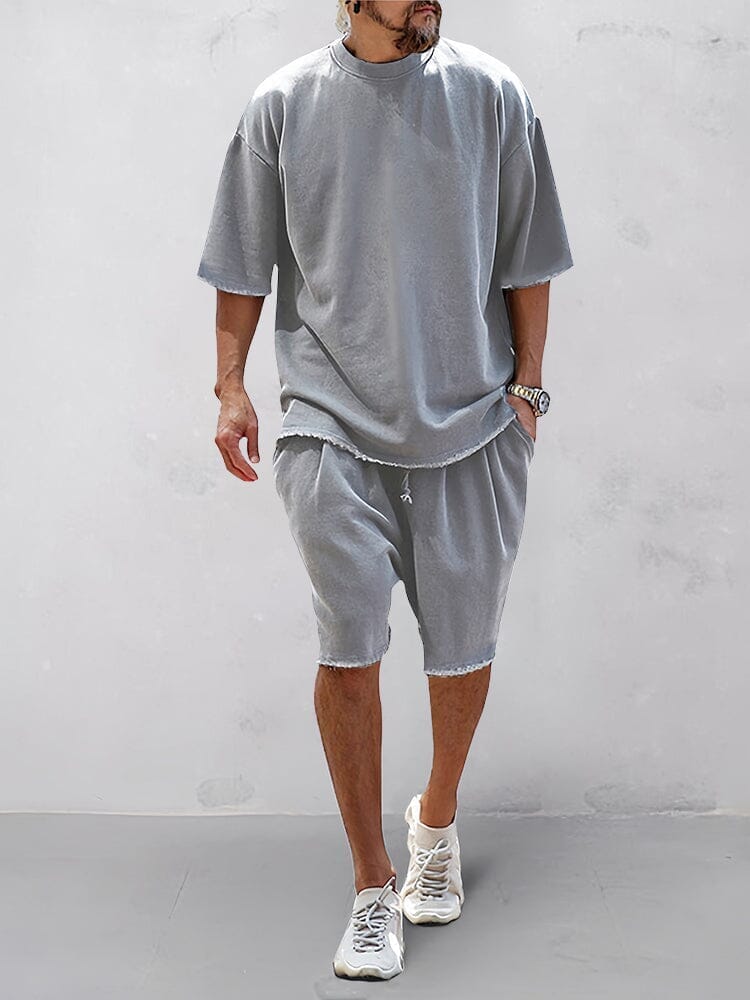
Our COOFANDY matching sets come in a palette built specifically around this logic. The stone linen-blend set and the slate textured-cotton set are the two we see worn most in professional settings, based on customer photos and reviews on our site. The sage and warm olive options see the most weekend-to-evening crossover use.
What to avoid: oversaturated primaries and novelty patterns. They limit occasion range immediately. A bright red matching set has essentially one use case. A stone one has fifteen.
How These Three Factors Work Together
Fabric, fit, and color don't operate independently—they multiply each other's effect.
Even the pure cotton fabric of our Natural Comfort 100% Cotton Matching Set needs the right fit to read as elevated. A great fit in a high-sheen fabric reads as low-quality. A neutral color in a boxy silhouette doesn't save the silhouette. But when all three are aligned—textured natural fabric, slim-straight fit, neutral palette—the result is a set that sits in smart casual territory and stays there across multiple settings.
Styling a Smart Casual Matching Set: The Settings Test
One useful way to evaluate any matching set you're considering: ask whether it passes the settings test.
The settings test: Can this set move between at least three distinct settings without looking out of place?
For an elevated matching set, the answer should be yes:
-
Morning coffee or errand run — Set worn as-is with clean white sneakers or slip-ons.
-
In-office or client meeting — Set worn with leather loafers or derbies, a watch, tucked-in or neatly hemmed top.
-
Dinner or social event — Set worn with a simple silver chain, slightly elevated shoe, and minimal accessories.
Sets that fail this test early—usually at setting 2—are doing so because of fabric sheen, fit, or color, not because matching sets categorically can't work in professional settings.
Short answer: they can. The evidence is in what you build the set from.
Putting It Together: What to Look for When You Shop
A quick framework when evaluating matching sets:
|
Factor |
Elevated |
Too Casual |
|---|---|---|
|
Fabric |
Linen, linen-cotton, textured cotton, twill |
High-sheen polyester, thin jersey |
|
Fit |
Slim-straight, defined shoulder seam |
Boxy, oversized, undefined hem |
|
Color |
Stone, slate, navy, sage, olive, ecru |
Oversaturated primaries, neon, novelty print |
|
Trouser break |
Clean break at ankle |
Pooling, excessively cropped |
|
Top length |
Tucks cleanly or sits at hip |
Mid-thigh or inconsistent hem |
Matching sets that check these boxes exist. We've built our Smart Casual Matching Sets collection specifically around this criteria.
5 Frequently Asked Questions
Q1: Can men actually wear matching sets to the office? Yes—with the right construction. The key is fabric and fit. A linen-blend or twill matching set in a slim-straight cut reads as polished in most professional-casual workplaces. Pair it with leather footwear and minimal accessories. Avoid sets in athletic fabrics or boxy silhouettes for office settings.
Q2: What shoes work best with an elevated matching set? It depends on the occasion. White leather sneakers or clean canvas slip-ons keep it casual. Suede loafers, leather moccasins, or simple Derby shoes push the look toward smart casual or business casual. For formal evening settings, Chelsea boots work well with slim-straight matching set trousers.
Q3: How do I keep a matching set from looking like a uniform or costume? Accessories and layering break the "uniform" read. A watch, a simple chain, or an open linen overshirt worn on top of the matching set jacket adds variation. Shoes and belt choice (or absence of belt) also change the register. The goal is to look intentional, not matchy-matchy.
Q4: What's the right occasion range for a smart casual matching set? A well-constructed smart casual matching set should cover: casual weekend wear, lunch or dinner dates, in-office days in business casual environments, and social events that aren't black-tie. The sets that handle this range best are in neutral tones with natural or textured fabrics.
Q5: How should a matching set fit if I'm between sizes? Prioritize the shoulder seam and chest fit—those are the hardest to alter and the most visible. If the shoulders sit correctly, minor adjustments to waist or hem are manageable. For trouser length, a clean break just at the ankle bone is the target. If you're between sizes, sizing up and having the trousers hemmed is generally preferable to a top that pulls across the shoulders.
Find Your Fit
The matching set format has matured. It's not exclusively loungewear or streetwear anymore—it's a legitimate smart casual option for men who want an efficient, intentional wardrobe.
The version that works for a Monday meeting and a Saturday dinner is the one built on the right fabric, cut to the right silhouette, in a color that doesn't limit its own usefulness.
We build ours to those standards. Explore our Men's Smart Casual Matching Sets and see which one fits your range.
All orders are covered by our 30-day return policy — see Returns Policy.

Dejar un comentario