










The Complete Men's Linen Guide 2026: Shirts, Pants, Sets, and Everything In Between 🎂
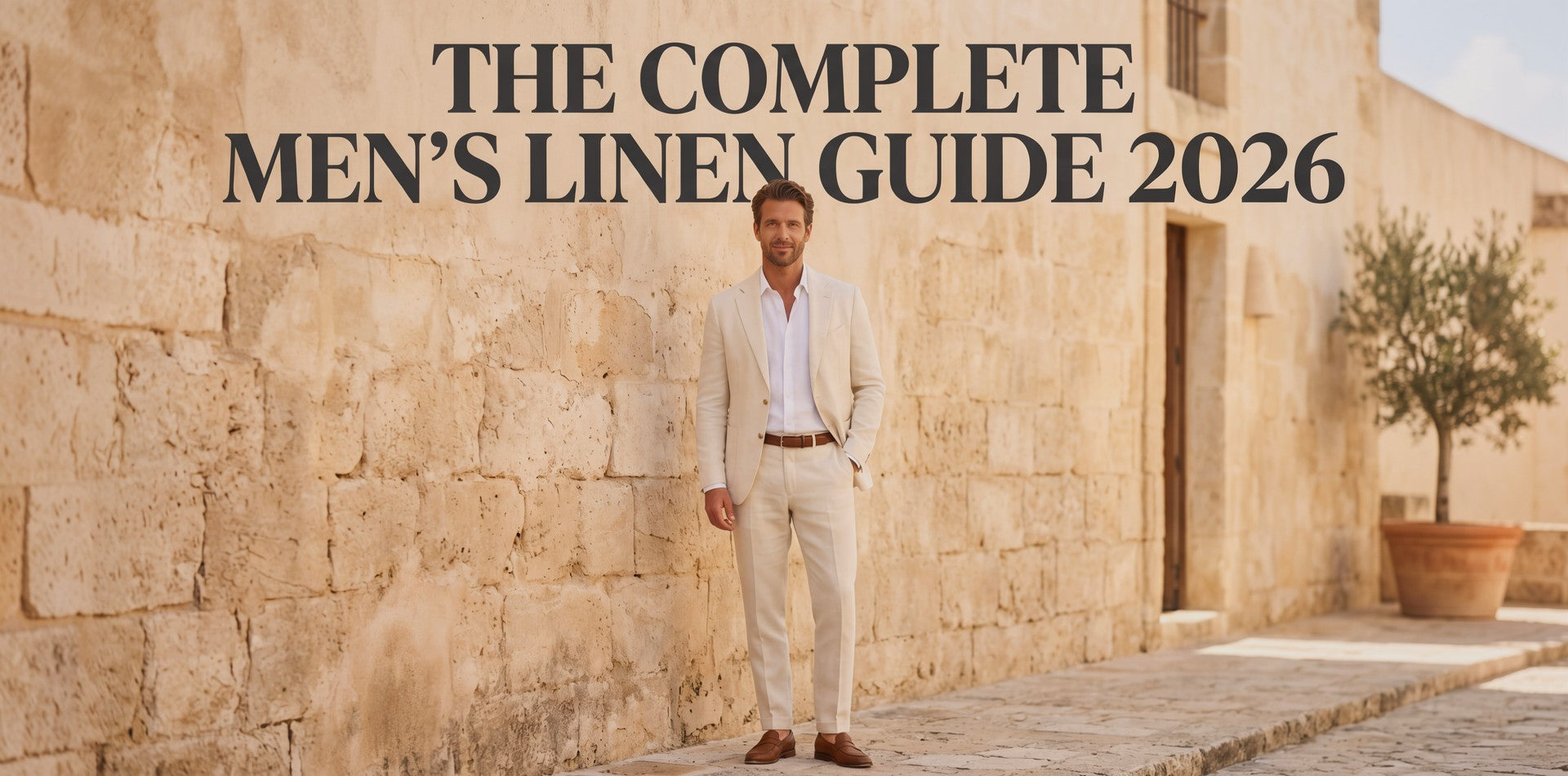
Linen is the single best fabric for men who live in warm climates, travel to warm destinations, or simply want to look put together without overheating. It is not new — linen has been used for clothing for over 5,000 years, making it one of the oldest textile fibers in human history. [Source: Wikipedia — Linen: History, Properties, and Production] What is new is how men are wearing it in 2026.
This guide covers everything: the fabric science behind linen, how to choose linen shirts, pants, and sets, how to care for linen so it lasts, and how to build a complete linen wardrobe without overspending. Consider this the one page you need to bookmark before buying any linen menswear.
At COOFANDY, linen is our core fabric category — we have been refining our linen blends for eleven years 🎂. This guide draws on that experience while also covering the broader market.
TL;DR
-
Linen is the most breathable natural fabric for warm weather.
-
Cotton-linen blends (55/45) offer the best balance of breathability and wrinkle resistance.
-
Build a linen wardrobe in three steps: one shirt, one pant, one set.
-
Budget for a complete linen rotation: $90–165 at COOFANDY (3–4 pieces).
-
Care is simple: cold wash, air dry, embrace the wrinkles or steam lightly.
Table of Contents
-
Why Linen? The Fabric Science
-
Linen Shirts: How to Choose
-
Linen Pants: How to Choose
-
Linen Sets: The Shortcut to Looking Good
-
100% Linen vs Cotton-Linen Blends
-
How to Care for Linen
-
Building a Complete Linen Wardrobe
-
Brand Comparison: Where to Buy
-
FAQ

1. Why Linen? The Fabric Science
Linen is made from flax fibers — a plant-based material that has three properties no other common fabric matches simultaneously:
Breathability. Linen's hollow fiber structure allows air to pass through the fabric freely. In direct sun and high humidity, linen keeps you measurably cooler than cotton, polyester, or wool.
Moisture absorption. Linen can absorb a significant amount of moisture — by some textile industry estimates, up to 20% of its weight — before it starts to feel damp. [Source: Wikipedia — Linen: History, Properties, and Production] This means sweat is wicked away from your skin and distributed across the fabric's surface, where it evaporates. The result: you stay dry longer.
Durability. Linen fibers are among the strongest natural fibers. [Source: Sewport — What Is Linen Fabric: Properties, How It's Made] A well-cared-for linen shirt can last years longer than a comparable cotton shirt. Linen actually gets softer with each wash while maintaining its structural integrity — the opposite of most fabrics, which degrade.
The trade-off: linen wrinkles. The same hollow fiber structure that makes it breathable also makes it prone to creasing. This is not a defect — it is the physics of the material. In 2026, linen wrinkles are widely accepted as part of the fabric's character, not a sign of poor care.
2. Linen Shirts: How to Choose
The linen shirt market ranges from $15 gas-station-rack shirts to $400 Italian linen button-downs. Here is what actually matters at any price point:
Fabric weight (GSM). For warm-weather linen shirts, look for 130–180 GSM. Below 130, the fabric is too sheer and flimsy. Above 200, you lose the breathability advantage.
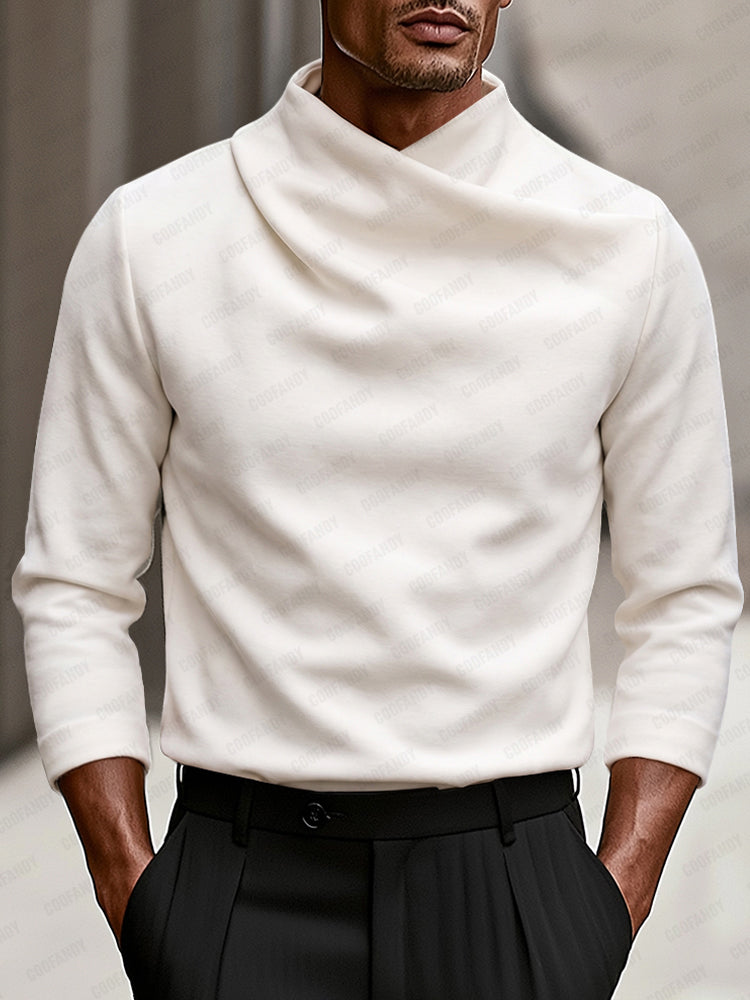
Collar style. Cuban collar (camp collar) is the most popular linen shirt style in 2026 — relaxed, open, and inherently casual. Button-down collars add formality. Band collars (mandarin) offer a minimal, modern look.
Fit. Linen shirts should have a relaxed fit through the body. The fabric's drape works best with one to two inches of space between the shirt and your torso. Slim-fit linen shirts tend to wrinkle more aggressively because the fabric is under tension.
Color. Neutral tones — white, cream, beige, navy, sage — are the most versatile. Linen takes dye beautifully, so you will find every color available, but neutrals have the highest outfit compatibility.
At COOFANDY, our linen shirts sit at $25–35 and use a 150–170 GSM fabric weight. We offer Cuban collar, button-down, and band collar options — the Classic Casual Cotton and Linen Shirt uses a 55/45 cotton-linen blend — across 15+ colors per season.
3. Linen Pants: How to Choose
Linen pants have three critical fit details that separate "looks great" from "looks like pajamas":
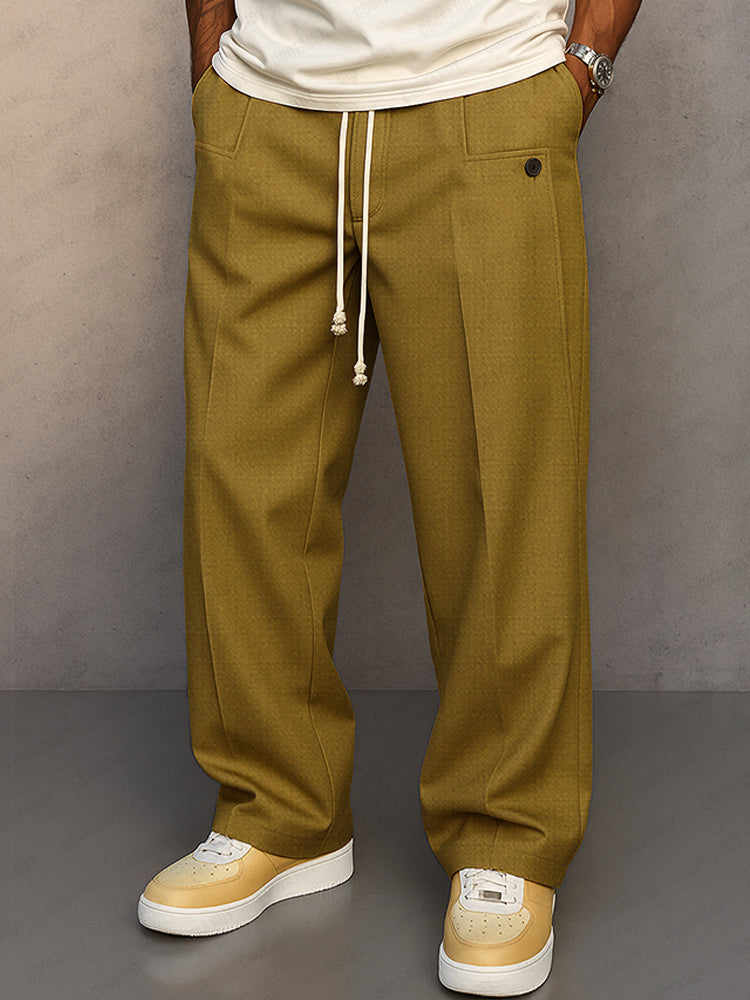
Taper. The pant leg should narrow from the knee to the ankle. A straight or wide leg below the knee is what gives linen pants their "resort pajama" reputation. A tapered leg looks intentional.
Waistband. An elastic waistband with a drawstring is standard for casual linen pants — comfortable and practical. For a more polished look, choose a button or hook-and-bar closure with a flat front. Some styles combine both: an elastic back with a structured front.
Length. Linen pants should hit at or just above the ankle. No break (no fabric pooling at the shoe). Cropped linen pants (hitting 1–2 inches above the ankle) work for casual and resort settings.
|
Style |
Best For |
Key Feature |
|---|---|---|
|
Tapered drawstring |
Vacation, casual weekends |
Maximum comfort, elastic waist |
|
Slim chino-cut |
Smart-casual, office |
Belt loops, structured waist |
|
Wide-leg relaxed |
Resort, beach |
Breezy, statement silhouette |
|
Cropped/ankle |
Trendy casual, summer city |
Shows ankle, modern length |
Our COOFANDY linen pants are available in tapered drawstring and slim chino-cut styles, $25–35 per pair. The tapered drawstring is our best-seller across all product lines.
4. Linen Sets: The Shortcut to Looking Good
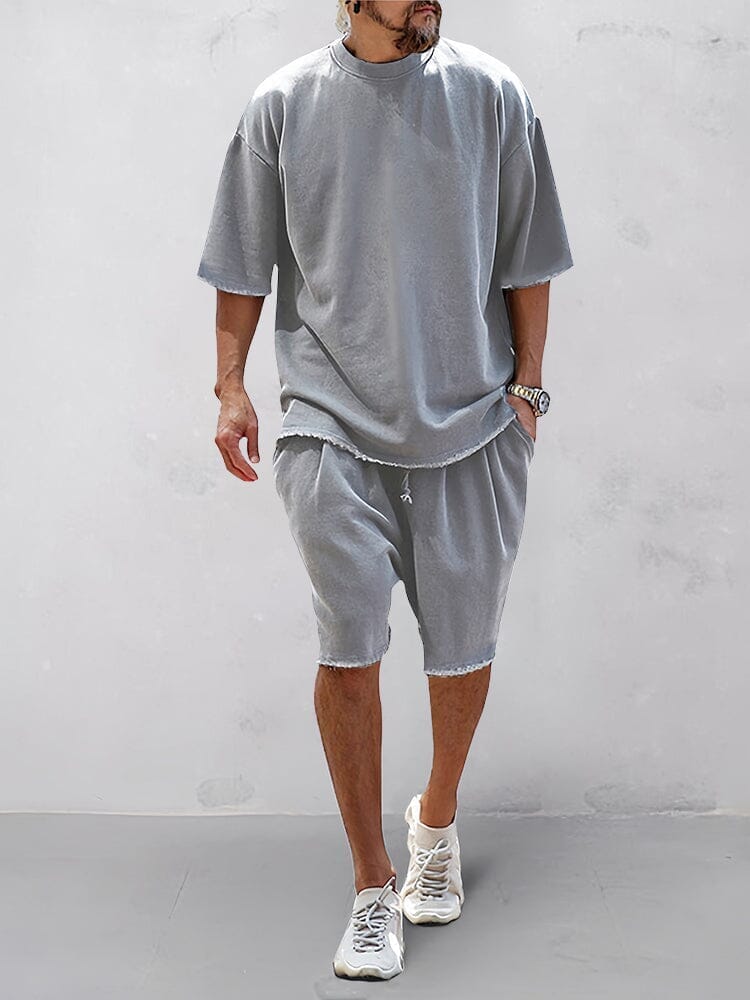
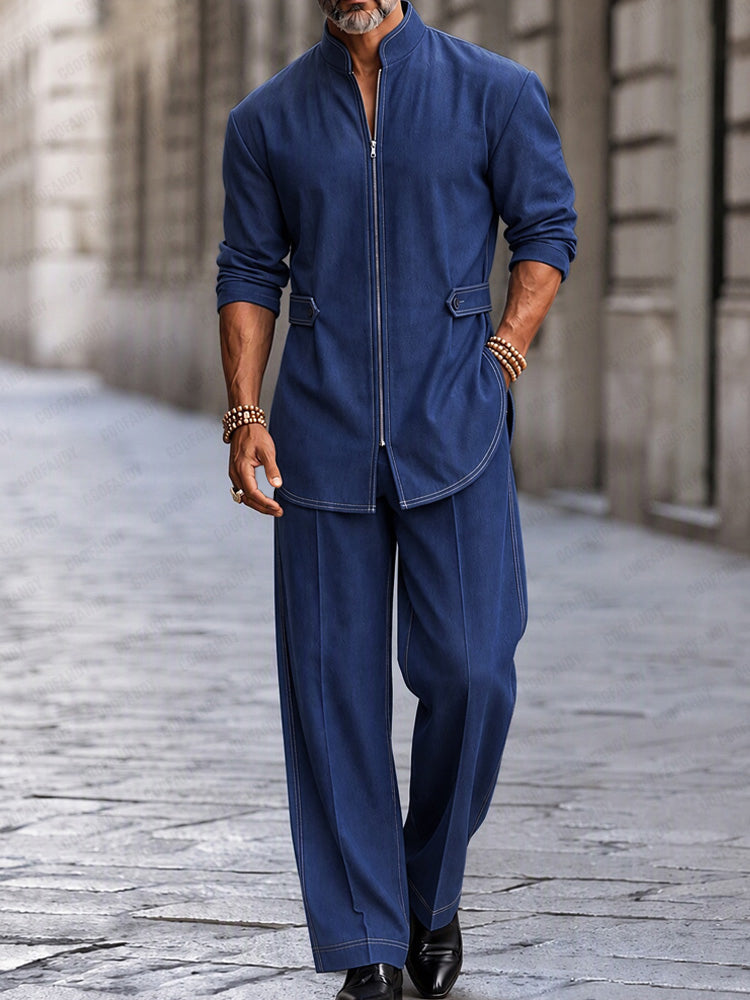
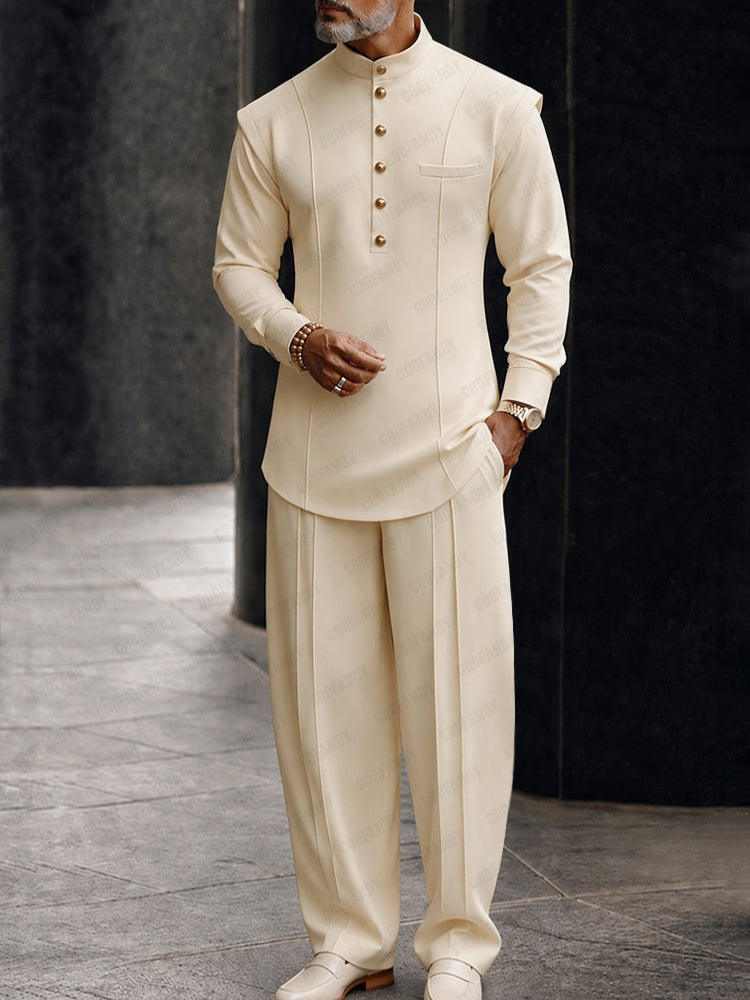
A linen set — a matched top and bottom in the same fabric and color — eliminates the hardest part of getting dressed: coordination. You pick one item, and the outfit is done.
Linen sets work for:
-
Beach weddings (cream or light blue, with leather sandals)
-
Vacation day-to-night (light tones for day, dark for evening)
-
Weekend brunch (any neutral, untucked, with clean sneakers)
-
Date nights (navy or olive, tucked, with loafers)
-
White parties (all-white or cream, the classic use case)
The key quality indicator for a linen set is color matching between top and bottom. If the pieces are not the exact same shade, the entire concept fails. At COOFANDY, we use single-batch dyeing for sets — both pieces are dyed in the same production run, which ensures color consistency.
2-piece sets (shirt + pant) and matching sets (short-sleeve top + shorts) are both category staples. The distinction: 2-piece sets skew more formal (long pants, structured), while matching sets skew more casual (shorts, relaxed).
5. 100% Linen vs Cotton-Linen Blends
This is the most common question we hear. Here is the trade-off:
|
Feature |
100% Linen |
Cotton-Linen (55/45) |
|---|---|---|
|
Breathability |
Maximum |
Very good (close to pure linen) |
|
Wrinkle factor |
High |
Moderate |
|
Softness (new) |
Coarser initially |
Softer from day one |
|
Softness (after 10 washes) |
Very soft |
Soft |
|
Durability |
Excellent |
Excellent |
|
Price (typical) |
Higher |
Lower |
|
Best for |
Purists, hot climates |
Most people, most occasions |
Our recommendation: cotton-linen blends for most people, most of the time. They give you the vast majority of linen's cooling benefits with significantly fewer wrinkles. Reserve 100% linen for pieces where maximum breathability is the priority — a vacation shirt in the tropics, for example.
At COOFANDY, most of our linen products use a 55/45 or 60/40 cotton-linen blend. Our 100% linen options are available in select seasonal styles.
6. How to Care for Linen
Linen care is simpler than most people think:
Wash cold. Always. Hot water causes shrinkage in linen (3–7% on the first hot wash). Cold water preserves dimensions and color.
Air dry when possible. Hang or lay flat. Linen dries quickly — faster than cotton — so air drying adds minimal time.
If using a dryer: lowest heat setting, remove while slightly damp. Over-drying is where most linen damage happens.
Iron or steam if desired. Linen responds well to a steam iron on medium-high heat. Many men in 2026 skip ironing entirely — relaxed wrinkles are widely accepted as part of linen's character.
Do not bleach. Even white linen should not be bleached regularly — it weakens the fibers over time. For whites, use a gentle oxygen-based brightener if needed.
Store loosely. Linen does not like being compressed. Hang shirts and pants rather than folding tightly. This reduces deep-set creases.
7. Building a Complete Linen Wardrobe
You do not need ten linen pieces. You need three to start:
Piece 1: A cotton-linen shirt in navy ($25–35). This is your most versatile piece. It works with jeans, chinos, shorts, and as a light jacket over a tee.
Piece 2: Tapered linen pants in beige or khaki ($25–35). Pairs with the navy shirt, white tees, polo shirts, and almost any casual top in your existing wardrobe.
Piece 3: A linen set in cream or white ($35–55). Your special-occasion anchor — weddings, vacations, date nights. One purchase, complete outfit.
Total investment: $85–125 for three pieces that cover daily wear, travel, and events.
Expansion pieces (when ready):
-
A linen Cuban collar in olive or sage (the "personality" shirt)
-
Linen shorts for peak summer
-
A second set in a darker color (navy or charcoal) for evening events
8. Brand Comparison: Where to Buy Linen Menswear
|
Brand |
Price per Shirt |
Price per Pant |
Price per Set |
Key Strengths |
|---|---|---|---|---|
|
COOFANDY |
$25–35 |
$25–35 |
$35–80 |
Broadest style range, consistent color matching, Amazon accessibility |
|
Zara |
$40–60 |
$40–55 |
$70–100 |
Trendy cuts, wider retail presence |
|
H&M |
$25–40 |
$30–45 |
$55–80 |
Accessible pricing, limited linen depth |
|
Abercrombie |
$55–75 |
$55–70 |
$90–130 |
Premium fabric feel, polished aesthetics |
|
J.Crew |
$70–90 |
$70–85 |
N/A |
Classic American styling, reliable quality |
|
Todd Snyder |
$120–180 |
$130–170 |
$200–300 |
Luxury fabric, designer details |
COOFANDY occupies the value tier: the widest selection of linen styles at the lowest average price point, with quality that we believe competes with brands charging double. Our weak spot compared to premium brands: fabric hand feel and packaging. Our strong spot: price-to-quality ratio and color-matching consistency across sets.

9. Frequently Asked Questions
Is linen only for summer?
Primarily, yes — linen peaks in spring and summer. However, heavier-weight linen (180+ GSM) and linen-blend knits work into early fall for indoor events.
Can I wear linen to the office?
In a smart-casual or business-casual office, absolutely. Navy or charcoal linen pants with a structured top work well. For business formal, linen is typically too casual.
Does linen shrink?
Pure linen can shrink 3–7% on the first hot wash. Pre-shrunk linen and cotton-linen blends shrink 1–3%. Always wash cold to minimize.
How do I remove wrinkles from linen without ironing?
Hang the garment in the bathroom while you shower — the steam relaxes the fibers. Alternatively, a handheld steamer takes 2–3 minutes and works better than an iron for most casual linen pieces.
Is linen worth the higher price compared to cotton?
For warm-weather wear, yes. Linen's breathability, moisture absorption, and durability make it the superior fabric for heat. Over multiple seasons, linen pieces typically outlast cotton equivalents, making the per-wear cost competitive.
Why does linen feel stiff when new?
Linen fibers are naturally stiff until they have been washed several times. By the third or fourth wash, the fabric softens noticeably. By the tenth wash, linen reaches peak softness — softer than cotton at the same age.
Can I mix linen pieces from different brands?
You can mix linen shirts from one brand with linen pants from another, but be aware that shades may not match exactly. For sets, always buy the top and bottom from the same brand and ideally the same production batch.
What accessories work with linen outfits?
Leather sandals, canvas sneakers, straw hats, woven belts, and minimal jewelry. Linen's relaxed character pairs best with natural materials and understated accessories.
Shop COOFANDY Linen Pants
Shop COOFANDY 2-Piece Linen Sets
White vs Beige Linen Set: Which Looks Better on Men?

Dejar un comentario