








Types of Styles: Find Your Direction in 12 Looks

A blazer can look classic with pressed trousers, casual with jeans, or romantic over a flowing dress. Its proportions, texture, and companions change the impression without changing the garment. Different types of styles describe those recurring choices rather than fixed identities.
This guide compares twelve directions through recognizable details and complete combinations. These types of styles are not an exhaustive classification: sportswear, formal dress, regional traditions, and many other approaches also shape what people wear. Use the names to investigate your preferences, not to replace a wardrobe that already works.
Key takeaways
- Distinguish styles by complete outfits: a button-down, straight trousers and loafers read classic; a long blazer, plain tee and wide-leg trousers emphasize chic proportions; a plain knit, unembellished trousers and low-profile shoes emphasize minimal detail.
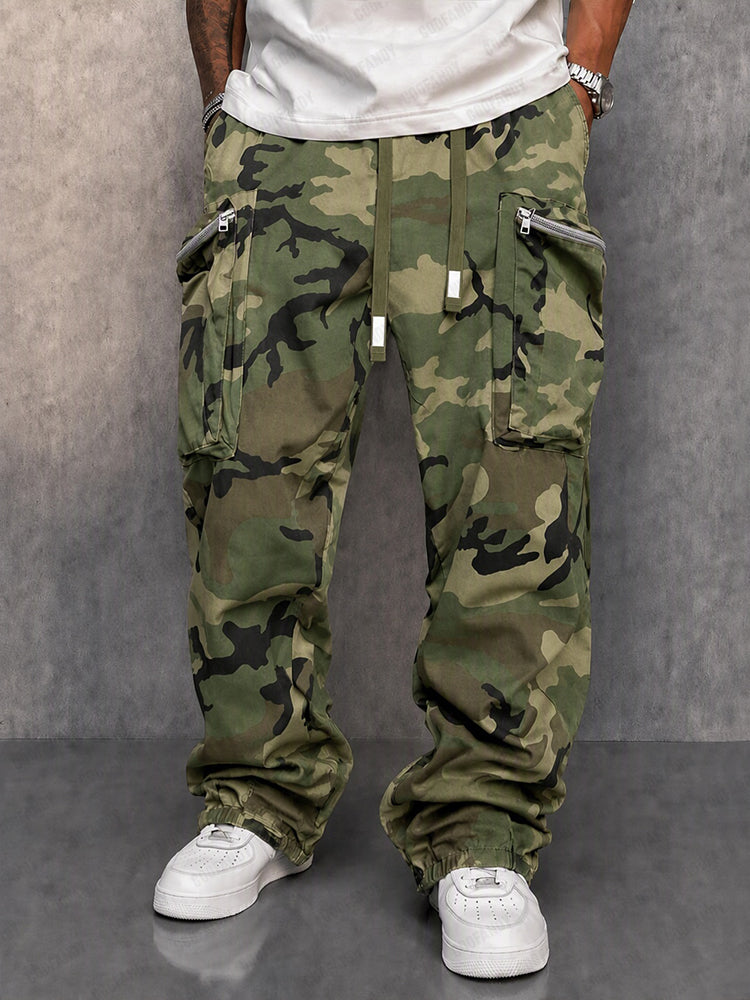
- For relaxed clothing, compare a sweater, jeans and sneakers with a roomy tee, cargos, sneakers and cap: the first is casual, the second streetwear. A pocketed jacket over a plain tee and straight trousers shifts the emphasis to utility.
- Softness takes different forms: an embroidered blouse with jeans and sandals suggests boho; a loose linen shirt, straight trousers and woven bag suggest coastal; a gathered blouse, flowing skirt and simple flats suggest romantic dressing.
- For era-led looks, try a slip dress with a cardigan for a 90s reference, a fitted top with roomy denim and a metallic accessory for Y2K, or an open flannel, tee, jeans and substantial boots for grunge. To mix tailored and casual pieces, pair a blazer and straight trousers with sneakers, then check the trouser opening against the shoe.
What “types of styles” actually means
A style is recognizable through repeated clothing choices. Classic styles of clothing might combine a collared shirt, straight trousers, and loafers; utility dressing might emphasize visible pockets, substantial fabrics, and practical layers. Neither depends on one compulsory item. Understated sneakers relax the classic combination, while leather lace-ups make its tailored lines more prominent. The outfit's emphasis comes from how those pieces meet, not from a label attached to the shirt.
Different types of styles also describe different things. Minimalism concerns visual detail; “90s” names a period containing several approaches. Chic describes a refined impression, while utility often draws on functional garment details. These are useful comparisons, not equivalent scientific categories.
A trend concerns popularity rather than a separate clothing category. A fashionable trouser cut may suit several types of styles, and an older piece can work in a current wardrobe. Ask whether you like its cut and can combine it with your clothes instead of treating “timeless” and “trendy” as opposites.
Twelve types of styles at a glance
Look at the whole outfit rather than treating any piece as proof of a category. A crochet top can appear in a restrained outfit, and a blazer can accompany loose streetwear proportions.
| Style direction | Recognizable details | A combination to picture | What shapes the impression |
|---|---|---|---|
| Classic | Familiar tailoring, collars, straightforward shoes | Button-down, straight trousers, loafers | Defined lines and consistent formality |
| Chic | Considered fit, coordinated finishes, controlled volume | Long blazer, plain tee, wide-leg trousers | Relationships between lengths, drape, and accessories |
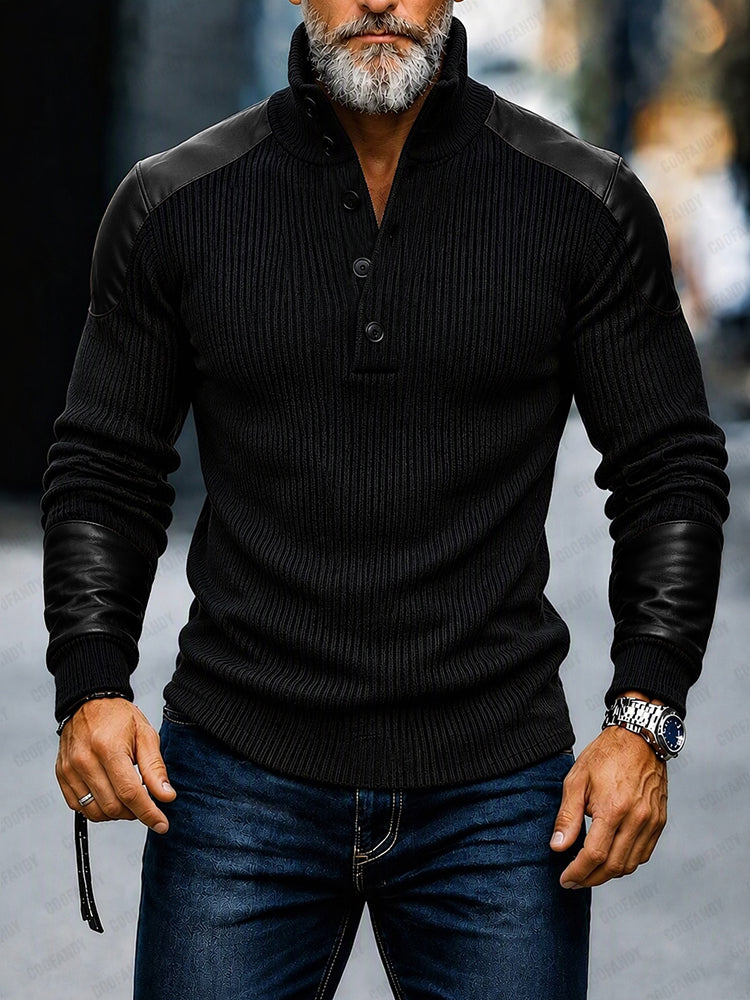
| Minimal | Limited detail, simple shapes, selective color | Plain knit, unembellished trousers, low-profile shoes | Fewer competing elements, not compulsory neutrals |
| Casual | Tees, denim, knitwear, everyday footwear | Sweater, jeans, sneakers | Ease of movement and relaxed dress |
| Streetwear | Sportswear influences, graphics, sneakers, varied volumes | Roomy tee, cargos, sneakers, cap | Proportion and references to sport or music |
| Boho / bohemian | Crochet, embroidery, flowing shapes, layered jewelry | Textured blouse, denim, sandals | Surface detail and relaxed silhouette |
| Coastal / resort | Open layers, loose shirts, simple accessories | Linen shirt, straight trousers, woven bag | Light visual weight and uncluttered surfaces |
| Retro: 90s | Slip dresses, flannel, denim, pared-back separates | Slip dress and cardigan, or flannel and jeans | A chosen reference within a varied decade |
| Retro: Y2K | Low-slung shapes, compact tops, shine, visible hardware | Fitted top, roomy denim, metallic accessory | A turn-of-the-millennium combination |
| Grunge | Flannel, worn denim, boots, loose layers | Open flannel, tee, jeans, substantial boots | Layering and an intentionally unprecise finish |
| Romantic | Soft drape, gathers, florals, decorative edges | Gathered blouse, flowing skirt, simple flats | Curved shapes and delicate detail |
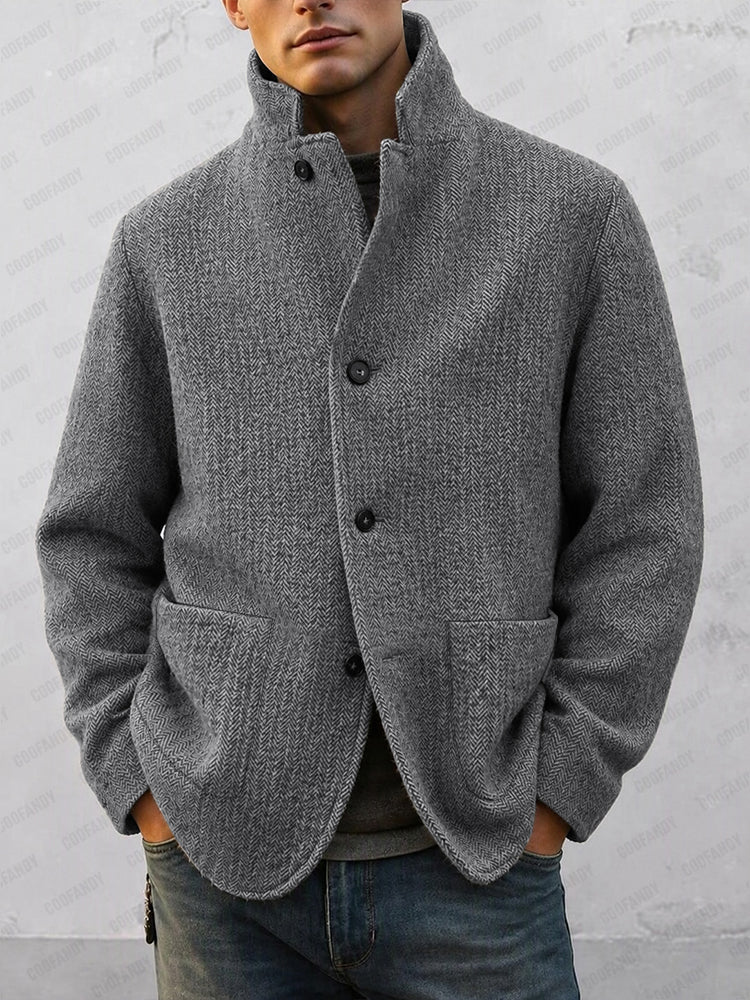
| Utility | Patch pockets, overshirts, carpenter details | Pocketed jacket, plain tee, straight trousers | Functional-looking construction and room to move |
The same wardrobe can support several types of styles. A loose shirt might accompany coastal trousers on a warm day and sit under a utility jacket in cooler weather. Formalwear, athleisure, and occupational workwear also belong in the conversation; their role depends on the wearer's activities.
Women's style directions
Chic: coordinated tailoring rather than compulsory accessories
Among these types of styles, chic puts particular emphasis on relationships: a jacket sitting comfortably at the shoulders, trousers falling cleanly over shoes, and an inner layer that does not bunch. For the fuller definition and occasion-specific checks, the chic dressing guide takes that task further.
Founded in 2015 with a menswear focus, COOFANDY also sells women's tailoring, including blazer-and-trouser sets on its official website. For a meeting followed by dinner, pair COOFANDY's Long Split Tailored Blazer and Wide Leg Pants Suit Set with a close-fitting plain tee, loafers, and a small unembellished bag. The fully lined suiting is 95% polyester and 5% spandex. Padded shoulders give the upper half definition, while deep front slits open up the long blazer beside high-waisted wide-leg pants. The contrast between a narrow inner layer and the longer outer shape makes the set a useful chic starting point.
Leave the tee plain to keep the shoulder line and slits visible. Fasten the hidden snap for a continuous front, or leave the blazer open to reveal more of the waistband. For dinner, a dark tee and matching small bag sharpen the same silhouette without a complete change. Dry-clean the set and hang it between wears; use a low iron when needed.
- Compare the open and fastened blazer with the actual trouser rise.
- Check the hem with your loafers before arranging alterations.
- Choose the tee against the set's color rather than buying a supposedly universal shade.
Boho, coastal, and romantic: three uses of softness
These types of styles can share relaxed volume while distributing detail differently. In the bohemian dressing guide, texture and decoration receive the closer treatment. Here, picture an embroidered blouse with familiar jeans or a patterned skirt with a plain tank. Fiber content alone does not make either outfit boho.
| Direction | Outfit emphasis |
|---|---|
| Coastal grandma style | A loose shirt over a tank, uncomplicated trousers, and a woven accessory; light shades are optional. |
| Romantic | Drape, curved edges, and delicate detail; a gathered blouse with tailored trousers provides softness without volume everywhere. |
An uninterrupted shirt front feels different from dense embroidery. Compare those surfaces when choosing between types of styles rather than using linen as a category test. A crochet layer can still combine with coastal-looking plain trousers if their shapes work together.
Floral prints are optional in romantic dressing: movement in a plain skirt can supply the softness. If a blouse has full sleeves and a gathered hem, inspect where both volumes meet the lower half rather than automatically adding another flowing piece.
Era references without a complete costume
The women's 90s guide covers the decade's different trends. A slip dress with a cardigan and a checked skirt with a fitted knit are separate references, not a required bundle. Keep the feature you enjoy and decide how much surrounding clothing needs to change.
The women's grunge guide handles its own layers and occasions. Here, the distinction is loose flannel, worn-looking denim, and substantial footwear, rather than a polished finish. An overshirt needs room over its tee, and jeans should meet the boots comfortably. None of these types of styles is restricted to one gender.

Men's style directions
Classic and coastal: one shirt, different surroundings
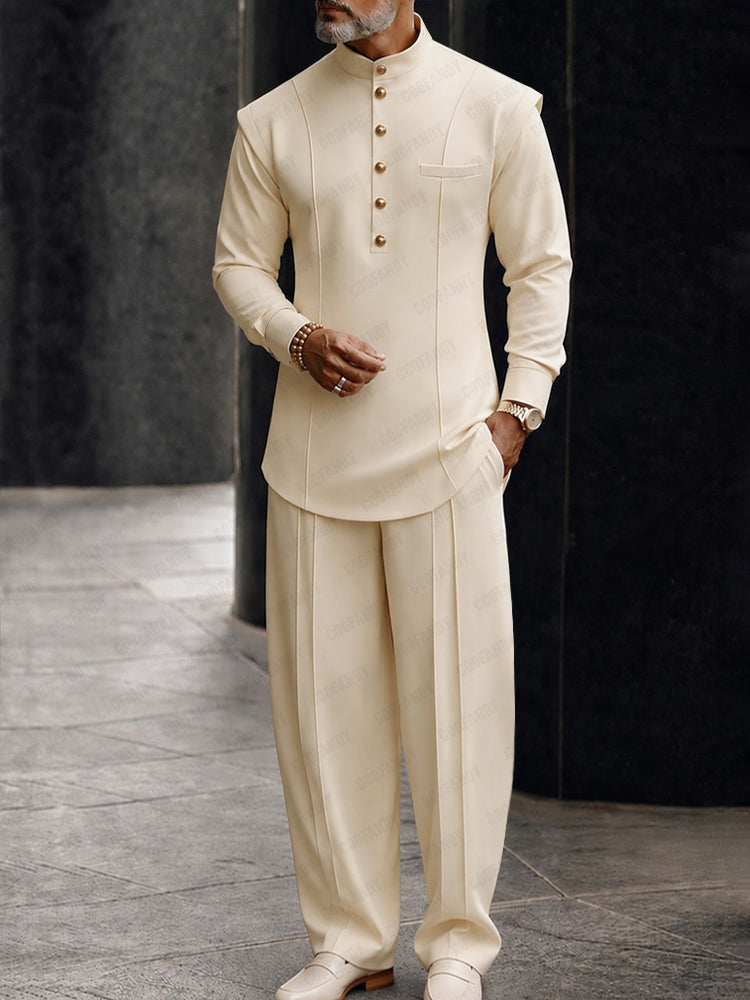
A collared shirt can connect classic and casual dressing without a full suit. Straight trousers and loafers give it a defined outline; jeans and sneakers relax the same garment. Whether either works in an office depends on the dress code. For another shirt option, explore men's shirts and compare the collar, fabric and cut with the outfit you have in mind.

For lunch or an informal office, pair the Casual Nature 100% Linen Shirt with straight navy trousers, brown loafers, and a simple belt. The shirt has a lightweight, soft 100% linen fabric. Tuck it for a visible waistband, or wear it loose if the hem sits comfortably above the trouser pockets. This combination bridges classic and coastal types of styles without changing the shoes.
With the shirt tucked, let a little cloth settle above the belt so the torso stays easy rather than rigid. Untucked, leave enough trouser visible to keep the navy lower half in proportion to the shirt. For a weekend version, exchange the loafers for canvas sneakers and carry a plain tote. The change in footwear relaxes the combination while the collar keeps a defined edge near the face.

Stripes and a cap: different routes into casual clothing
For a museum visit, wear the Coastal Vintage Striped Knit Shirt with plain straight jeans, low-profile sneakers, and a small watch. The short-sleeved shirt is knitted from 100% viscose, with striped colorblocking, a lapel collar, and button closure. Its stripes give the outfit a visible rhythm across the torso, while the collar frames the neckline. Plain denim leaves both details easy to see, making this a casual alternative to the linen-and-trouser combination.
To move between types of styles, change the surroundings before replacing the top. Sneakers and a loose hem keep the museum outfit relaxed; straight trousers and loafers give the same stripes a neater setting for lunch afterward. Wear the buttons higher for a compact neckline or leave the top one open for more space around the collar. A plain bag in a stripe color connects the pieces without adding another pattern.

For errands, combine a plain tee, relaxed charcoal cargos, and sneakers with the Cotton Adjustable Baseball Cap. Made from 100% cotton, the cap has an adjustable strapback closure. Its sporting shape and the cargo pockets connect casual clothing with streetwear; repeating the cap color in the tee ties the upper half together. A low-profile sneaker makes this quieter than a broad-soled version, even when the trousers stay roomy. Hand-wash the cap when it needs cleaning.

Retro and streetwear: use proportion to distinguish the reference
The 90s menswear guide develops its grunge, athletic, preppy, and minimal routes. The Y2K men's guide instead develops turn-of-the-millennium outfits. These types of styles overlap in roomy clothing, but visible hardware or a glossy accent can shift the reference. A fitted top is an option for contrasting volumes, not a compulsory rule.
Era-driven styles: read more than one cue
Decades contain competing looks, not one fabric or trouser rise. FIT's 1990–1999 overview describes grunge alongside minimalism, slip dresses, and sportswear. Its menswear account includes flannel, jeans, hoodies, and baseball caps. Identify a particular reference instead of calling every 90s outfit matte or tailored.
When comparing era-based types of styles, assess several cues together. Y2K commonly refers to turn-of-the-millennium clothing and later interpretations, with edges overlapping the late 90s. A low-slung line, shine, or small accessory may suggest it in combination; none dates a garment conclusively. Natural and synthetic fibers occur across periods.
Choose the right earlier-decade task
The 80s menswear overview compares tailoring, collegiate layers, sportswear, denim and expressive shirts. If you already have a shirt, sweater and jeans to work with, the guide to dressing 80s with normal clothes shows how a tuck, visible collar or changed layer can bring out the reference. Choose the broader comparison when you want a direction, and the wardrobe exercise when you want to put an outfit together today.
How to choose types of styles that fit your week
Begin with your activities and comfort
What must your clothes do? Consider dress codes, commuting, weather, and changes between activities. A jacket may need room over a sweater; shoes may need to suit a long walk as well as the trousers. An attractive reference image does not answer these questions.
- Notice preferences a label cannot predict: visible waistbands, fabric around the neck, loose sleeves, or untucked hems.
- Two people enjoying the same types of styles may need different cuts. Test those details with available clothing before making a shopping list.
Look for repeated relationships
Lay out complete outfits you wear often, including shoes. The same jeans may support a classic shirt one day and a graphic tee the next. Look for repeated relationships: roomy tops with straight legs, tonal colors, texture over a plain base, or a familiar level of polish.
- An unworn item may need another season, an alteration, or compatible shoes rather than a new style identity.
- If a skirt works only with heels you avoid, try preferred footwear before buying another top. That reveals a specific coordination problem.
Describe the preference before buying
Use types of styles as search vocabulary, then turn the results into a short fitting-room test. Take the underlayer and shoes you expect to wear. Compare a jacket fastened and open, check whether a bag strap pulls its shoulder, and read the care label before deciding. A garment that needs a different base every time may be less useful than one that fits your existing combinations.
Combining types of styles through a shared detail
A shared detail gives contrasting clothes a relationship: color, similar volume, texture, or finish. Letting one piece draw attention is one approach; repeating expressive pieces is another. The goal is a combination you like, not a numerical ratio.
| Combination | Connecting detail | What to inspect |
|---|---|---|
| Blazer, straight trousers, sneakers | Simple lines across tailored and casual clothing | Trouser opening against the shoe |
| Flannel, tee, jeans, textured cap | Relaxed layers and tactile surfaces | Shirt length against the trouser rise |
| Plain blouse, linen trousers, woven bag | Open clothing surfaces, textured accessory | Blouse hem at the waistband |
| Crochet top, tank, denim, sandals | Quiet base beneath open texture | Tank neckline against the crochet |
| Glossy jacket, tee, roomy denim | Repeated volume, contrasting finish | Comfortable room through the sleeves |
When mixing types of styles, color can connect without making everything match. Repeat a small shade from a print in footwear, or use warm-toned accessories alongside different neutrals. If the outfit feels busy, identify the competition: high-contrast patterns, unrelated hardware, or bulky hems meeting together. Adjust that relationship rather than removing accessories by a fixed rule.
Choosing between neighboring directions
These comparisons describe emphasis rather than identity tests. An outfit can draw from both columns.
| Pair | One emphasis | Other emphasis | Useful distinction |
|---|---|---|---|
| Boho / coastal | Embroidery and layered texture | Open shapes and quieter surfaces | Placement of detail, not linen alone |
| 90s / Y2K | A chosen route such as grunge or minimal separates | A millennium reference involving hardware, shine, or volume | Several cues together; detailed era comparison belongs in the 90s guide |
| Chic / minimal | Coordinated proportions and considered fit | Reduced visual detail | A polished, pared-back outfit can be both |
When choosing between neighboring types of styles, keep the base fixed. Try the same linen trousers with an embroidered blouse and then a plain shirt; use the same shoes for both. The first puts detail near the face, while the second leaves more attention on drape. Save the combination you would actually repeat for work or a weekend, not just the one that looks different in a photograph.
FAQs
Understanding the style names
What are the main types of styles in fashion? Classic, chic, minimal, casual, streetwear, boho, coastal, 90s-inspired, Y2K-inspired, grunge, romantic, and utility are useful starting points. Athletic dressing and formalwear sit alongside them. No single list covers every wardrobe.
How many directions can one wardrobe contain? Plan by the week rather than by a count of labels. If you need meeting clothes, walking clothes and an informal dinner outfit, start there. Reuse trousers or footwear across those plans where the dress code and weather allow, then identify any genuinely missing layer.
Can I wear different types of styles on different days? Yes. Tailoring for a meeting, utility outdoors, and a flowing dinner outfit need not express one unchanging identity. Familiar footwear or colors can provide continuity if you want it.
Choosing a direction
How does a style differ from a trend? Style describes recognizable clothing choices and combinations. A trend describes popularity. A currently popular trouser shape can support an established direction and remain useful after attention moves elsewhere.
Where should I start? Begin with a combination you already enjoy. Refine its shoes, proportions, or an added layer before buying a supposedly universal starter wardrobe. The name should help explain your choices, not make them for you.


Dejar un comentario