Men's Job Interview Outfit Guide
For most interviews, start with a clean button-down shirt, tailored dress pants or chinos, closed-toe leather shoes, and a simple belt that matches your shoes. Add a blazer if the company leans formal, client-facing, or traditional. Skip loud prints, wrinkled fabric, heavy fragrance, and anything you would normally save for a weekend. The goal is not to look like a different person. The goal is to look prepared, respectful, and one half-step more polished than the company’s usual dress code.
A strong interview outfit will not win the role by itself. It can, however, remove a distraction. This guide breaks down how to choose the right level of formality by industry, interview format, and last-minute details—so you can focus on the conversation.
The Safe Default Outfit for Most Men's Interviews
If you are unsure what to wear, use this as your starting point:
- Top: Solid white, light blue, or subtle striped button-down shirt
- Pants: Navy, charcoal, gray, or khaki dress pants or clean chinos
- Layer: Navy, charcoal, or dark gray blazer for formal or uncertain settings
- Shoes: Brown or black leather loafers, derbies, or oxfords
- Belt: Leather belt that matches the shoe color
- Grooming: Neat hair, trimmed facial hair, clean nails, light or no fragrance
- Bag: Simple portfolio, briefcase, or clean laptop bag
This outfit works because it sits in the middle of the professional spectrum. It is more polished than everyday casual clothing, but less rigid than a full suit-and-tie look. For many business casual offices, tech companies, universities, operations roles, and first-round interviews, it reads as prepared without trying too hard.
If the employer is in finance, law, government, consulting, or a formal corporate environment, move the outfit up one level: suit jacket, matching trousers, dress shirt, and a conservative tie if the company culture supports it. If the employer is in creative, retail, hospitality, or a relaxed startup setting, keep the shirt and pants sharp, but you may not need the blazer.
The Rule: Dress Half a Step Above the Company's Daily Style
Interview attire should match the company’s culture signal—not just the job title. A software engineer interviewing at a bank may need a different outfit from a software engineer interviewing at a product design studio. Same role, different room.
A useful rule: dress one half-step more formal than the way employees dress on a normal workday.
That means:
- If employees wear hoodies and jeans, choose a button-down shirt with chinos or dress pants.
- If employees wear business casual, add a blazer or sharper shoes.
- If employees wear suits, wear a suit.
- If you are unsure, choose the more polished option and keep the styling quiet.
Career platforms often separate interview attire by industry and formality level. For additional context, see this interview attire guide 2026 and Career.io interview outfit advice, both of which reinforce that workplace norms and role context matter.
Industry Formality Matrix: What Men Should Wear by Field
Use this matrix as a practical starting point, then adjust based on the company’s website, social media, office photos, recruiter notes, and the interview format.
| Industry or Interview Setting | Recommended Formality | Outfit Formula | What to Avoid |
|---|---|---|---|
| Finance, law, consulting, executive roles | Business formal | Dark suit, white or pale blue dress shirt, conservative tie, leather dress shoes | Loud colors, sneakers, casual shirts, flashy accessories |
| Corporate office, sales, management, HR | Business professional to polished business casual | Blazer, button-down shirt, dress pants, leather shoes | Wrinkled shirts, jeans, athletic shoes, oversized jackets |
| Tech, product, operations, startup office | Smart business casual | Button-down or knit polo, chinos or dress pants, clean loafers or derbies | Graphic tees, hoodies, distressed denim, sandals |
| Creative, media, design, marketing | Smart casual with personality | Clean shirt, tailored pants, textured jacket or neat overshirt, minimal accessories | Costume-like styling, distracting prints, sloppy sneakers |
| Retail, hospitality, customer-facing service | Clean professional casual | Collared shirt, dark chinos or dress pants, polished shoes | Shorts, open-toe shoes, heavily branded clothing |
| Trade, warehouse, field, technical roles | Practical professional | Durable collared shirt, clean work-appropriate pants, closed-toe shoes | Unsafe footwear, stained clothing, anything too delicate for the site |
| Academic, nonprofit, public sector | Conservative smart casual | Button-down shirt, chinos or dress pants, optional blazer | Trend-heavy looks, nightclub styling, loud logos |
A matrix is a guide, not a rulebook. If the recruiter gives specific instructions, follow them. If you are touring a facility or doing a practical assessment, dress safely and appropriately for that environment.
Outfit Formulas by Interview Type
1. In-Person Interview
In-person interviews show the full outfit, so proportions matter. A good shirt cannot carry pants that pool over the shoes, and polished shoes will not fix a wrinkled collar.
Best formula:
- Solid button-down shirt
- Tailored dress pants or chinos
- Blazer if the company leans formal
- Leather shoes
- Simple belt and minimal watch
For smart business casual interviews, shirts and pants should look clean, structured, and easy to repeat.
Pay attention to how the outfit moves. Sit down before leaving. Reach forward as if shaking hands or opening a laptop. If the shirt pulls at the chest, the waistband pinches, or the jacket feels tight across the shoulders, fix it before the interview day.
2. Video Interview
Video interviews are still interviews. The camera simply changes what matters most: upper body, contrast, lighting, and background.
Best formula:
- Solid dress shirt or structured knit polo
- Optional blazer or cardigan if the role is formal or client-facing
- Dark pants, even if the camera may not show them
- No tiny checks, high-contrast stripes, or shiny fabrics that flicker on screen
Choose colors that separate you from your background. If your wall is white, a white shirt may wash out. Light blue, navy, olive, gray, or soft stripes often read better on camera. Place your light source in front of you, not behind you. Keep the background simple: no laundry, crowded shelves, or distracting posters.
Wear proper pants and shoes, not just a good shirt. You may need to stand up, adjust the camera, or handle an unexpected interruption. Dressing fully also helps you stay in the right mindset.
3. Panel Interview
A panel interview usually carries a slightly higher formality signal because multiple stakeholders are watching how you present yourself. You do not need to look stiff, but you should remove anything distracting.
Best formula:
- Blazer or suit jacket
- Crisp shirt in white, blue, or a muted tone
- Dress pants
- Leather shoes
- Very simple accessories
Keep the color palette quiet. Navy, charcoal, gray, white, light blue, and brown give you enough range without turning the outfit into the focus. If you use a tie, choose a simple pattern or solid color. If you skip the tie, make sure the shirt collar sits cleanly under the jacket.
4. Second-Round or Final Interview
A later-stage interview may include more informal conversations, office tours, team lunches, or practical exercises. Stay polished, but choose clothing that can handle a longer day.
Best formula:
- Breathable button-down shirt
- Dress pants with enough room to sit comfortably
- Blazer you can remove indoors
- Shoes you can walk in without looking too casual
This is where fit and comfort matter. A shirt that looks sharp for 15 minutes but feels tight for three hours is not the right interview shirt.
Shirts: Keep the Collar Clean and the Pattern Quiet
The shirt is usually the first thing people notice, especially in video calls. Start with a dress shirt or a neat button-down. White and light blue are the safest choices. Pale gray, soft stripes, and small checks can also work when the company is not extremely formal.
Avoid:
- Deep wrinkles around the placket or collar
- Party prints or tropical patterns
- Large logos
- Sheer fabric under bright office lighting
- Tight pulling across the buttons
A good interview shirt does not need to be dramatic. It needs to frame your face, sit flat under a jacket, and stay neat when you sit down.
Pants: Choose Structure Over Trend
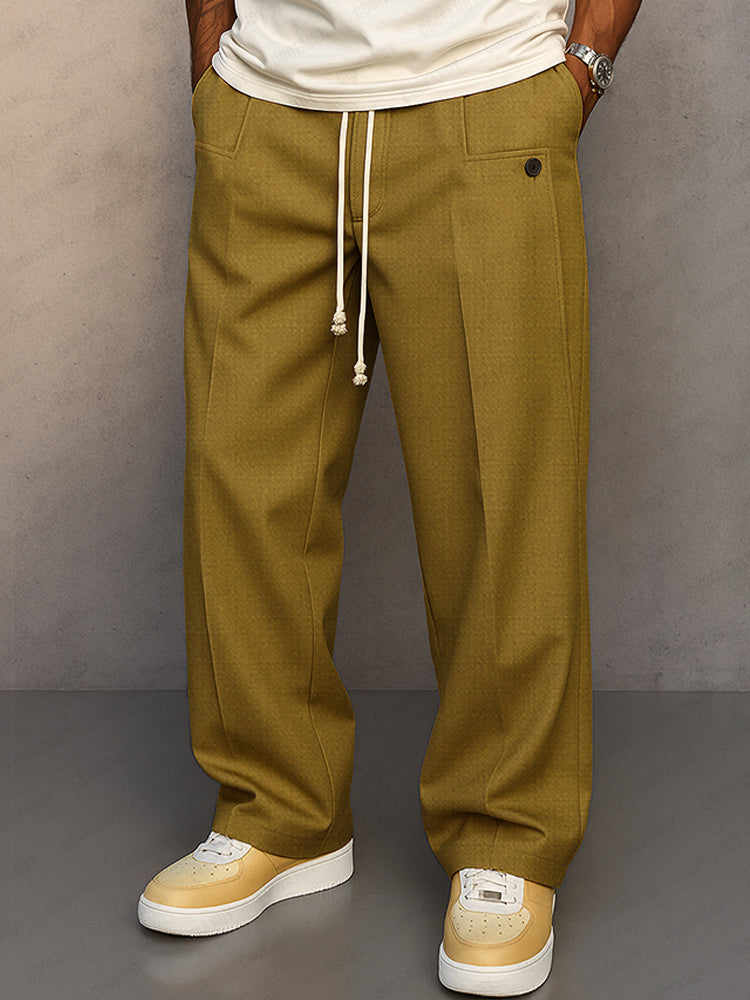
Interview pants should look intentional. That usually means dress pants, tailored chinos, or clean trousers in navy, charcoal, gray, black, or khaki. The fit should be close enough to look clean, but not so tight that the pockets flare or the thighs pull.
Use this quick fit check:
- Waist sits without needing a tight belt
- Seat has enough room when sitting
- Thighs do not pull when walking
- Hem breaks lightly at the shoe, not in a heavy stack
- Pockets stay flat
For smart casual or business casual interviews, dress pants can be paired with a collared shirt and blazer to create a polished outfit without overcomplicating the look. Add a direct pants product link only after the exact product URL is verified.
Shoes and Accessories: Quiet Details Matter
Shoes should be clean, closed-toe, and in good condition. Brown or black leather is the safest choice. Loafers, derbies, and oxfords all work, depending on the outfit’s formality. Clean minimalist sneakers may fit some creative or startup environments, but when in doubt, choose leather shoes.
Accessories should support the outfit, not compete with it:
- Match belt color to shoe color when possible.
- Keep watches simple.
- Avoid loud bracelets or oversized jewelry.
- Carry a neat bag or folder.
- Bring a lint roller if you wear dark colors.
Small details send a signal that you prepared. That matters, even when nobody says it out loud.
Colors That Work for Interviews
Interview colors should be easy on the eye and easy to pair. You are not trying to disappear, but you also do not want the outfit to become the memory.
| Color | Best Use | Why It Works |
|---|---|---|
| Navy | Blazer, pants, suit | Professional, flexible, less severe than black |
| Charcoal | Suit, dress pants | Formal and modern without looking harsh |
| White | Dress shirt | Clean, classic, camera-friendly with darker layers |
| Light blue | Dress shirt | Approachable, professional, works with navy or gray |
| Gray | Pants, blazer, knit layer | Neutral and easy to pair |
| Khaki | Chinos for smart casual settings | Relaxed but still neat when pressed |
| Brown | Shoes, belt | Warmer alternative to black, strong with navy or khaki |
Save loud red, neon colors, novelty prints, and high-shine fabrics for another setting. They may be stylish, but they can pull attention away from the conversation.
What Not to Wear to a Job Interview
Most interview outfit mistakes come from one of two problems: too casual for the room, or too distracting for the conversation.
Avoid:
- Wrinkled shirts or pants
- Stained collars, cuffs, or shoes
- Shorts, sandals, flip-flops, or open-toe shoes
- Hoodies, graphic tees, distressed denim, or gym clothes
- Heavy fragrance
- Hats indoors unless required for religious, medical, or practical reasons
- Oversized suits or jackets that collapse at the shoulders
- Clothing that restricts sitting, walking, or presenting
There are exceptions in specific creative, trade, or field environments. Still, “clean, neat, appropriate, and prepared” is a safer signal than “look how casual I can be.”
The 10-Minute Pre-Interview Outfit Checklist
Use this before you leave home or join the video call. It is quick because the big decisions should already be done.
- Collar: Does it sit flat? Any curling or staining?
- Buttons: Any pulling at the chest or missing buttons?
- Wrinkles: Shirt front, sleeves, pants, and jacket checked?
- Fit while seated: Can you sit comfortably without the shirt pulling or pants digging in?
- Shoes: Clean, scuff-free, and appropriate for the setting?
- Belt: Matches the outfit and sits properly?
- Pockets: No bulky wallet, keys, or phone outlines?
- Color contrast: Shirt, jacket, and background work together for video?
- Backup layer: Blazer, cardigan, or jacket ready if the room is cold or more formal than expected?
- Final scan: Hair, facial hair, nails, lint, and fragrance checked?
You do not need a complicated pre-interview ritual. You need fewer distractions: clean shoes, pressed clothes, quiet colors, and one backup layer if the office or interview room runs cold.
Shop the Look: Build a Small Interview Capsule
If you interview more than once a year, build a small capsule instead of buying a new outfit each time. Start with pieces that mix easily:
- 2 solid or subtle-pattern button-down shirts
- 1 navy or charcoal blazer
- 2 pairs of dress pants or chinos
- 1 pair of brown or black leather shoes
- 1 matching belt
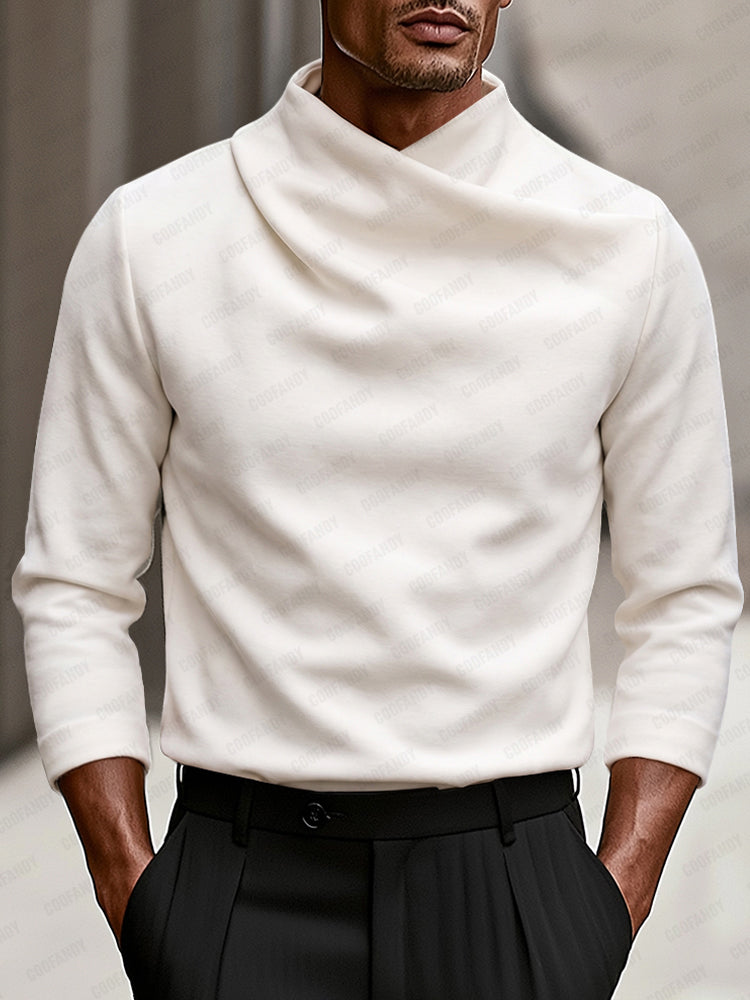
- 1 simple knit layer for cooler weather or video calls
This gives you several interview-ready combinations without making the closet complicated. For a COOFANDY interview capsule, keep the product choices conservative: a clean button-down shirt, tailored chinos or dress pants, and a neutral layer that matches the company's formality level.
FAQ: Men's Job Interview Outfits
What should a man wear to a job interview?
Most men should wear a button-down shirt, tailored dress pants or chinos, clean leather shoes, and a matching belt. Add a blazer or suit jacket for formal, client-facing, or uncertain settings.
Is a suit always required for a job interview?
No. A suit is the safest choice for finance, law, consulting, executive, and formal corporate interviews. For tech, creative, retail, and many business casual offices, a sharp shirt, tailored pants, and polished shoes may be more appropriate.
Can men wear jeans to an interview?
Jeans are risky unless the company clearly has a casual culture and the recruiter confirms that casual dress is acceptable. If you wear denim, choose dark, clean, non-distressed jeans and pair them with a collared shirt and structured layer. When unsure, choose chinos or dress pants.
What should men wear for a video interview?
Wear a solid dress shirt or structured knit polo, with a blazer if the role is formal. Avoid tiny patterns and shiny fabrics on camera. Choose colors that contrast with your background, and wear proper pants in case you need to stand up.
What colors are best for men's interview outfits?
Navy, charcoal, gray, white, light blue, khaki, brown, and black are the safest interview colors. They look professional, pair easily, and keep attention on the conversation rather than the outfit.
Should I wear a tie to an interview?
Wear a tie for formal industries, conservative companies, and roles where a suit is expected. For business casual or smart casual interviews, a tie may be optional. If you skip it, make sure the shirt collar and jacket look intentional.
How formal should I dress for a startup interview?
For most startup interviews, dress one level above the team’s daily style. A button-down shirt with chinos or dress pants and clean leather shoes usually works. Add a blazer if the role is client-facing, senior, or business-focused.


Dejar un comentario